
Louis Tomlinson’s Diary of a CEO Interview Is a Lesson in Grief, Growth, and Grit
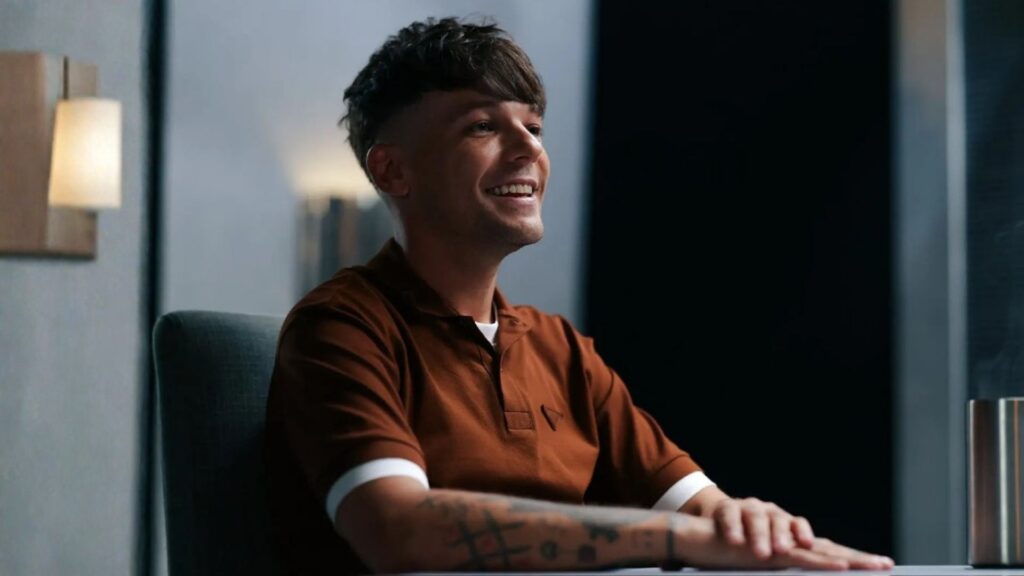
When Louis Tomlinson sat across from Steven Bartlett on The Diary of a CEO podcast, the tone was different from the usual pop-star interview.
Louis Tomlinson’s story begins like a modern pop fairytale — or perhaps a cautionary tale about what happens when a teenager’s life is rewritten overnight. Born in Doncaster, South Yorkshire, Tomlinson was an unassuming college student with a love of football and a knack for performance when he auditioned for The X Factor in 2010. He didn’t make it as a solo act, but fate – or the keen eye of Simon Cowell – had other plans. Paired with four other hopefuls, he became part of One Direction, a boy band that would go on to define a generation.
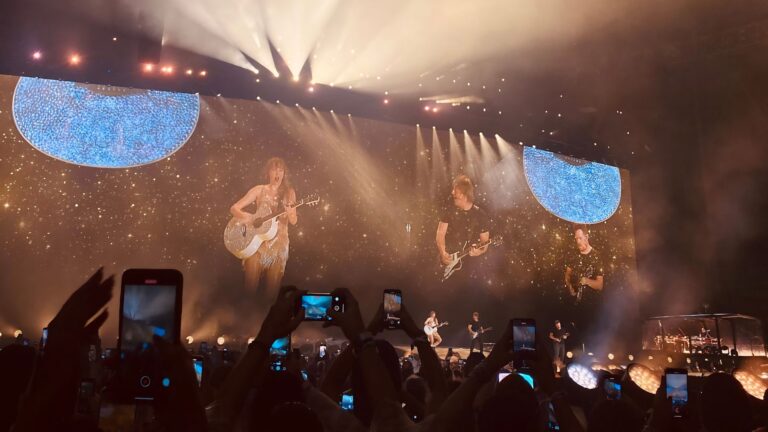
What followed was the kind of ascent pop culture rarely sees anymore: sold-out arenas, platinum records, and a fandom so devoted it reshaped the internet. For five years, Tomlinson was one-fifth of a global phenomenon, navigating fame’s dizzying highs and claustrophobic lows. But when the band announced its hiatus in 2016, the boy who had spent his twenties in the blinding glare of stardom found himself, suddenly, in the quiet.
As a solo artist, Tomlinson’s path has been slower, steadier, more introspective. His debut album, Walls, bore the marks of loss and resilience, echoing Britpop influences rather than chasing radio trends. His follow-up, Faith in the Future, sounded like someone reclaiming his own voice after years of collective identity. Today, Tomlinson is less the teen idol he once was and more an artist defined by survival – a man who has lived through the madness of global fame and emerged with something rarer than hits: perspective.
That’s why Tomlinson’s appearance on the chart-topping podcast, The Diary of a CEO, this week has had people intrigued. Not for soundbites about upcoming singles or polite anecdotes from tour life, but to hear frankly about what life’s milestones, both in the spotlight and out of it, do to a normal lad from Doncaster.
The interview wasn’t shocking in its revelations. Tomlinson’s voice wavered with the weight of years lived under unrelenting scrutiny, speaking on grief and guilt, of the quiet that follows the roar of stadiums, of what it means to lose people you love when the world feels entitled to your reaction. It was a conversation that, more than any polished press campaign, captured the strange sociology of celebrity in the twenty-first century: the way fame gives you everything except the ability to remain whole.
He was barely out of his teens when One Direction became the biggest boy band in the world – a global juggernaut that blurred friendship, work, and image into one inescapable identity. For five years, his sense of self was not only tethered to the band but subsumed by it. Millions of fans knew “Louis from One Direction,” not Louis the individual. Within that collective, every member played a role – the cheeky one, the quiet one, the leader, the rebel – all archetypes that offered fans a simplified script to love and defend. It was pop as theatre, meticulously staged yet emotionally charged.
Perhaps what’s most striking about this interview is not the structure or the polish, but the silence that fills it.
Bartlett, known for creating a space where guests perform their vulnerability in sleek, podcast-friendly soundbites, seems to recognise quickly that this one is different. Tomlinson’s pauses aren’t rehearsed. He takes time before answering, really considering how best to convey his emotions – surprisingly well throughout. He laughs, sometimes bitterly. He looks down a lot. When he recounts the day his mother died, or the moment former bandmate Niall Horan told him that Liam Payne had passed away, there’s a stillness that feels almost unbearable. Bartlett doesn’t interrupt. The conversation breathes.
Louis Tomlinson has always been underestimated, and that, perhaps, is why this interview feels so startlingly honest.
In One Direction, he was rarely given the spotlight. He wasn’t the powerhouse vocalist like Harry Styles – something he openly admits in this two-hour-long confessional – or the mysterious one like Zayn Malik. Instead, Tomlinson was the protector; the one to raise concerns when things didn’t feel authentic, and the one who made sure the group still sounded like a band rather than a machine. It was his pen that shaped some of their most quietly enduring songs. Yet for years, he was talked about as if he were an accessory to his own career, a supporting act in a story he helped build.
When One Direction split in 2016, Tomlinson admits, he felt lost. Not angry, not relieved — just hollow. The scene he paints of that final meeting could be straight out of a tragic film. “The room was cold,” he says. “You could feel it.” The decision to part ways wasn’t explosive or dramatic. It was quiet, inevitable, like the last ember of a fire burning out. Four young men sitting in a sterile space, realising that the phenomenon that defined their lives was about to become a memory, and whether all members agreed or not, it was time to spead their new-found solo wings.

What follows in the interview is not nostalgia, but something more complicated. He remembers Zayn’s departure in 2015, and admits that he wonders, even now, if Zayn ever regrets it. But he says it gently, like someone talking about an old friend they no longer recognise, but still quietly hope is doing okay.
It’s rare to hear anyone from One Direction talk this way — without PR filters, without mythologising. There’s an emotional intelligence in the way Tomlinson approaches the past. He doesn’t sanctify it, but he doesn’t weaponise it either. He knows that for millions of fans, those years are sacred. He’s careful not to puncture that illusion, but he’s equally clear that living inside it nearly destroyed him. What the band gave him – fame, stability, and purpose – it also took away: privacy, spontaneity, the right to make mistakes in peace.
But the real heart of this conversation isn’t fame. It’s loss. Tomlinson speaks about his mother, Johannah, with an ache that’s somehow both tender and matter-of-fact. He remembers her strength, her humour, the way she believed in him when he didn’t believe in himself. When she died of leukaemia in 2016, he went on stage days later to perform on The X Factor. “She wanted me to,” he says quietly, as if still convincing himself.
Three years later, his sister Félicité died suddenly at just 18. When he talks about it, his voice falters for the first time. He admits that he’s never really processed it, that he sometimes still expects to see her name flash up on his phone. “It’s the kind of pain that doesn’t fade,” he says. “You just learn how to carry it.” The line lingers long after he says it. In a culture obsessed with closure, Tomlinson offers something more realistic: endurance.
Then, almost unbearably, he recalls how he found out about Liam Payne’s death in 2024 – through a phone call from Niall. There’s no melodrama in his tone, just a quiet devastation. You can sense how deeply it unsettled him, not only because of their shared history, but because it forced him to revisit every wound he thought he’d healed, following the loss of his Mother and Sister.
What’s remarkable is that this isn’t framed as a pity story. Tomlinson isn’t asking for sympathy. If anything, he resists it. What he’s describing is survival – ugly, imperfect, ongoing survival. He talks about the pressure to turn pain into art, to mine grief for creative content. He’s done that before, he admits, but he’s cautious now. “I don’t want my sadness to be a brand,” he says. It’s a simple statement, but a radical one in an industry that feeds on emotional exposure.
That defiance runs through everything he says about fatherhood. Becoming a dad at twenty-four could have been another tabloid subplot in his chaotic timeline, but for Tomlinson, it became his anchor. He speaks about his son, Freddie, with quiet pride, describing how he avoids stopping for photos with fans when with him, not out of secrecy but protection. “That’s my real life,” he says. “That’s mine.” It’s a small but powerful act of reclamation in a career that’s been relentlessly public.
Listening to him speak, you start to realise that Louis Tomlinson has done something few pop stars manage: he’s grown up without growing bitter. There’s no resentment toward the machine that built him, no performative rebellion against the fame that made him rich. Instead, there’s a kind of resigned understanding. He knows what it cost, but he also knows it gave him the life he has now.
What lingers after the episode ends isn’t the gossip or the grief, but the texture of Tomlinson’s humanity. You come away feeling that you’ve just listened to someone who has spent nearly his entire adult life under surveillance and is finally learning how to look at himself clearly. His story is not one of tragedy, nor of triumph, but of persistence – the kind that doesn’t fit neatly into a headline.
For years, the world told Louis Tomlinson who he was supposed to be – the funny one, the filler voice, the underrated songwriter, the survivor. In this interview, he doesn’t reject any of those versions. He simply adds another: the truth teller. And that, in 2025, might just be the most radical thing a pop star can be.