Are We Losing Authenticity in Stan Culture?
If you’re reading this, chances are you already know what being a ‘stan’ is.
But for the uninitiated, Merriam-Webster defines it as ‘to exhibit fandom to an extreme or excessive degree’ — a word coined by the legendary rapper Eminem in his 2000 song Stan, inspired by the fictional super-fan of the same name.
Who is considered a ‘stan’?
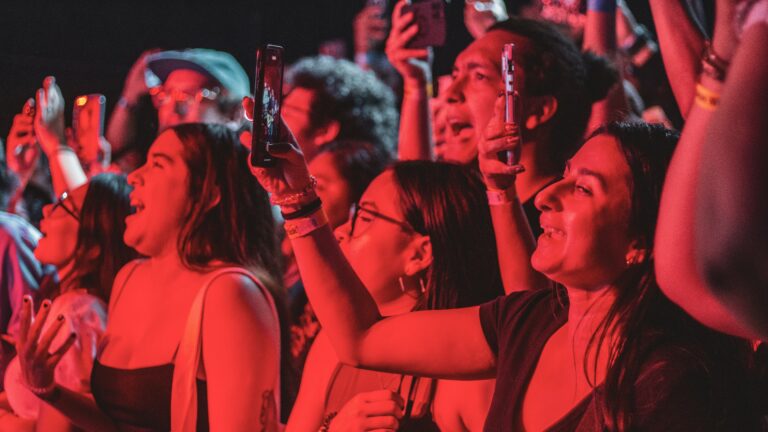
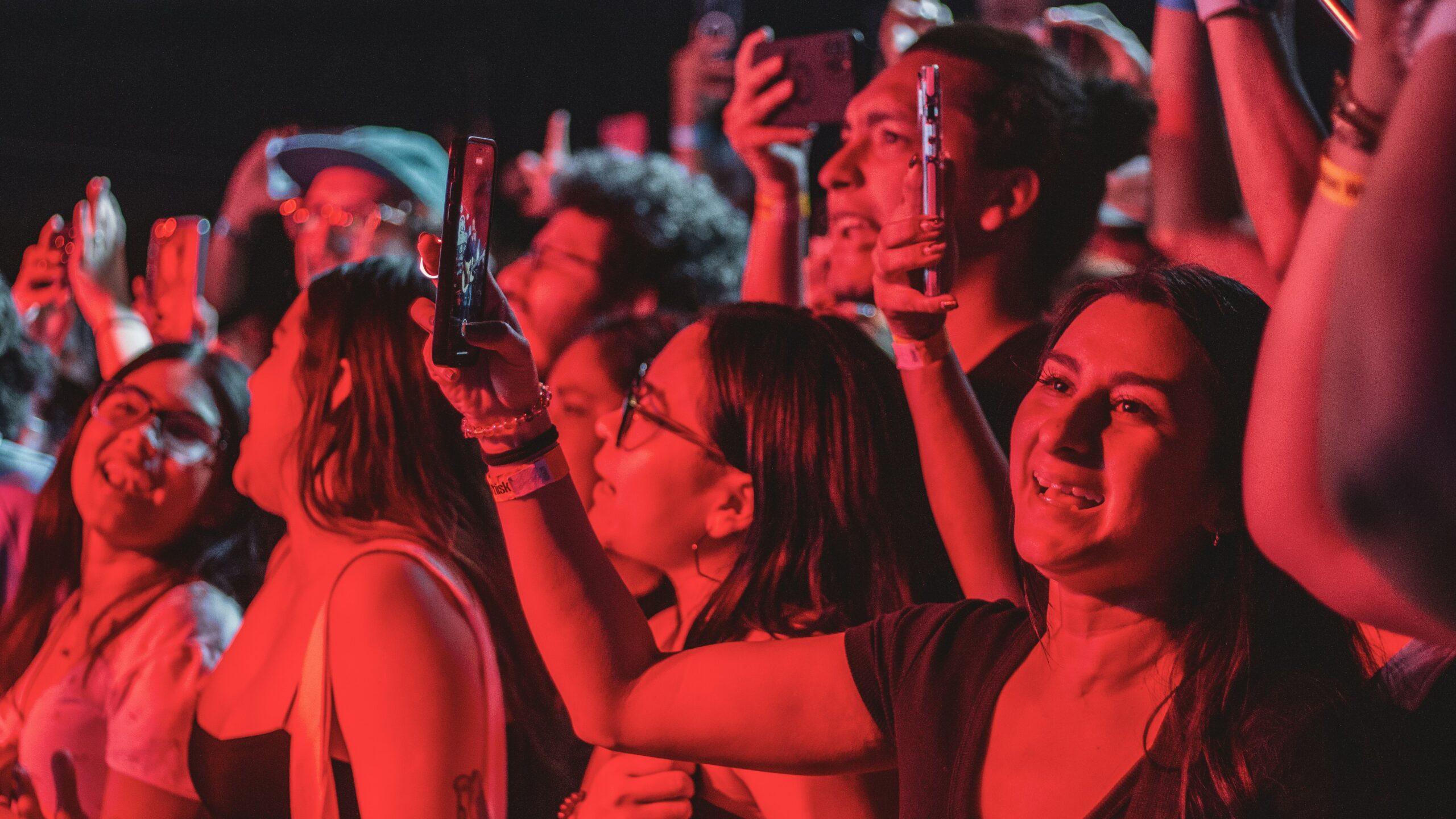
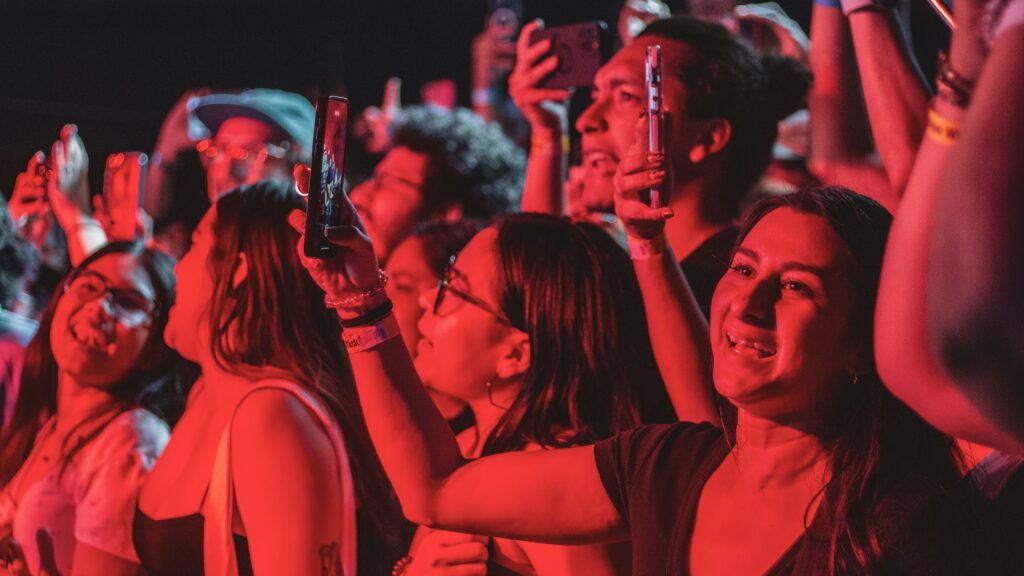
To be a stan is defined by how far someone wil go to show their support — for a person, a film, a TV show, a book, a fandom, you name it. Think of it like a scale: at one end sits the casual fan, in the middle is your dedicated fangirl, and at the far end is the stan. But beyond that? That’s where the scale tips into obsessive, stalker territory, and we are not going there in this article. There are real and tragic cases of fans crossing that line, from the murder of John Lennon to more recent incidents involving British tennis player Emma Raducanu, who spotted her stalker in the audience during one of her matches. That’s not stan culture. That’s something else entirely. So when we talk about stans, we’re talking about the passionate, the devoted, the ones who’ll stay up until 4am for a concert livestream or cry happy tears at a meet-and-greet. Relatable, celebrated, and very much alive!
So, are we actually losing it?
Here’s the thing, the word ‘stan’ is relatively new, even if fan culture itself stretches back to Beatlemania and beyond. But somewhere between its coining in the early 2000s and now, ‘stan’ shifted from meaning extreme fan to just meaning fan — to the point where a casual conversation might include “oh, I stan that” about something as simple as a coffee order. Linguistically, it can come across as though we’re losing something authentic about stan culture. Not quite. It might actually signal the opposite.
What stan culture used to look like
Stan culture has always had a commercial backbone. Record labels and production companies have long known how to fan the flames — magazine posters, limited edition merch, signed collectables, fan cards. It’s a mutually beneficial ecosystem: fans get tangible proof of their devotion, and the industry profits. That part hasn’t changed. What has changed is scale. Social media, mass media, and e-commerce have exploded the ways fans can consume and be consumed by stan culture. If anything, there’s more of it now — not less. The extreme end still exists (a nod to Bele Delphine’s infamous bath water, which fans actualy purchased), and so does the quieter, everyday version: streaming an album on repeat, following every press tour, joining a fan Discord at midnight.
Stan culture isn’t disappearing. It’s adapting to the times and morphing into something new.
Why it might feel like it’s losing authenticity
So where does this feeling of inauthenticity come from? Two places, mostly. The first is normalisation. In the digital age, being a stan of multiple fandoms simultaneously is completely ordinary. When something becomes mainstream, it can start to feel diluted, like everyone’s doing it, so does it still mean something? But that’s not a loss of authenticity. That’s just growth.
The second is self-policing. With “cancel culture” and the speed at which news travels, fandoms have become increasingly aware of when one of their own crosses a line. The result? Communities have started moderating themselves. Anti-shipping movements exist to protect celebrities from uncomfortable fan projections – the Harry Styles and Louis Tomlinson shipping era is a wel-documented example, with fans noting the visible awkwardness it created between the two. Parasocial behaviour gets called out, and boundaries are discussed openly.
This self-regulation can feel like stan culture shrinking or sanitising itself. But it’s more nuanced than that, it’s fandoms growing up and protecting both the celebrities they love and the communities they’ve built.
The verdict (for now)
Stan culture is still here, louder and more expansive than ever. It looks different from the poster-on-the-wall days of the 80s and 90s, and it’ll look different again in another decade. But authenticity in stan culture was never one fixed thing, every generation defines it through the technology, the artistry, and the community of their time.