What Fans Actually Want From Their Favourite Artists (Hint: It’s Not 10 Pressings of the Same Record)
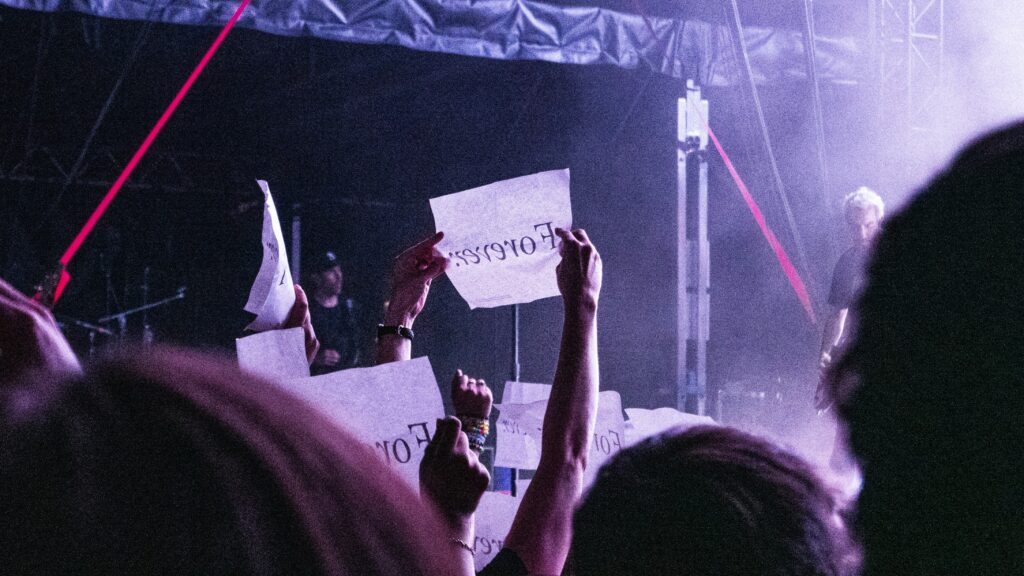
As fans, we invest money in the artists we love, but we also build friendships around shared favourites.
We defend, celebrate, and sometimes grow up alongside those artists, evolving together through every song and each new album. Supporting artists has never been passive; however, it has started to feel more transactional. The personal connection we once had with our favourite artists is being overshadowed by the pressure to consume in a way measured by financial transactions.
Vinyl variants have become a prime example of this shift. What used to be a tangible way to experience an album is now a marketing tactic with endless “limited editions.” One or two versions can add a fun addition to the experience; however, when it turns to three, five, or even more versions, it feels less like an artistic choice and more like a sales strategy.
One fan summed it up perfectly: “I have stopped buying physical copies if there are too many versions. It just gives me the ick if they have like 20 versions of the same album… and this comes from a K-pop fan.” Even in a space known for its deep collectability, there’s a limit. It is not just about owning something unique anymore; it is about feeling like you are being sold the same thing over and over again with minor variations, only designed to get you to buy more. This shift is at the heart of a much bigger conversation about what we, as fans, actually want from the artists we support.
Not having to prove ourselves as fans
One change in recent years has been the rise of competition within fandoms. It is no longer about loving the music and supporting the artist, but rather, proving that love through purchases. Fans are now expected to show their loyalty not just through their own connection to the music, but through their ability to buy everything the artist releases. Ownership has become a form of proof. It is as though the depth of your dedication can now be measured by how much you’ve spent, how many items you’ve collected, and how quickly you have secured the latest limited-edition release. The focus is no longer on the music itself or the connection to the artist, but on the accumulation of physical items and status symbols that mark you as a “real” fan.
And fans feel this pressure, whether they want to or not. As one person put it, “It becomes a competition with who has the rarest merch collection.” She aimed her frustration at how marketing has become so centred on products rather than people. She pointed out how the constant push for new merchandise and exclusive versions of albums can shift the focus from art to business. This is not just an isolated action either; this trend is growing among many major artists. This creates a kind of hierarchy within fandoms, where those who can afford to buy everything are elevated, while those who can’t feel inadequate.
Fandom was never meant to be about receipts and competition. It was meant to be a space for people to come together because of a shared love for music and not a race to see who can spend the most money to show their dedication. True fandom should be about the music and the community, not about outspending or out-collecting others.
Real fans, not influencers
Another theme that kept surfacing was access— specifically, who gets it. And the answer seems to be influencers.
As one fan shared: “One thing always heavy on my heart is influencers being prioritised when it comes to music events. We wanna see our mutuals be sent, real fans, etc.” Those who have supported the artist from the beginning are being left behind in favour of influencers who may have little to no real connection to the music or the fandom. Album listening parties, brand-sponsored launch events, and backstage experiences are increasingly being handed to influencers with massive followings but very little personal investment in the artist’s journey.
From a marketing standpoint, it is easy to understand why this makes sense. Influencers bring reach, visibility, and engagement. Their presence at events can amplify brand messages and generate viral moments that lead to more exposure. But from a fan’s perspective, it can feel like a slap in the face. Fans do not expect to be invited to every exclusive event, but we do want our long-standing support to be recognized. We want to feel that our loyalty matters more than the number of followers someone has.
This issue goes beyond the fans. Photographers, journalists, and other media members feel the same frustration, specifically true for those trying to enter the industry. They want their voices and requests to be seen, too. It is not about getting access; it’s about getting acknowledged for the work they put in. Even if the answer is “no,” the mere acknowledgement of their request can go a long way.
At the end of the day, fandom should be about genuine connection, not just about members, reach, or marketing strategies. We all deserve to feel seen, valued, and appreciated for the role we play in this shared experience.
Fair ticketing
Live music remains the most powerful way for fans to connect with artists, but in recent years, it’s also become one of the most frustrating experiences. Concerts are a singular moment to come together, see our favourite artists perform live, and experience the music in a shared space. However, the growing issue of ticket reselling has tainted that.
“The whole reseller thing has been really awful for the fans of artists,” one fan shared. “And when an artist I have not followed makes the effort to ensure fairly priced tickets, I am more influenced to listen to their stuff.” This highlights a key problem that’s become widespread in the industry: when tickets are snatched up in seconds by resellers and immediately resold at inflated prices. The issue is not just limited to the inconvenience of overpriced tickets. It is the emotional toll it takes on the fans who are left out. Fans are being priced out of the live music experience. It becomes a source of frustration and alienation for those who cannot afford the exorbitant resale prices and the joy of seeing an artist live is quickly overshadowed by the financial burden that comes with securing tickets.
This point is incredibly important because fair ticketing does not just keep fans happy, it actively helps artists build new, loyal fans. When artists or their teams take visible steps to combat the reseller problem, whether by limiting resale, adding extra dates, or keeping prices transparent, it sends a powerful message to their fanbase. It shows that the artist cares about the people who have supported them from the start and it makes the connection with the artist more meaningful.
In the end, artists who prioritise their fans’ access to live shows are building a community that goes beyond numbers and profits. They are showing that they see their fans as partners in the experience, not just consumers. And that’s the kind of connection that fans will remember and value far beyond the price of a ticket.
Human and not just a brand
In a world where AI is reshaping almost every corner of the creative industries and algorithms dictate much of what we consume, the need for humanity has never been greater. Technology has advanced to a point where artificial intelligence can now create music, write stories, and even generate art. While these tools can produce impressive results, there is a growing sense that something vital is being lost in the process: the human touch.
One fan summed this up perfectly when she said, “I really love when you can tell an artist wants to be perceived as a human, not just as a brand. I feel like we are all craving more human emotion and connection behind art in a time where AI is becoming more and more prevalent as well.” This sentiment captures a collective longing: authenticity. We want the sense that the artist we admire is not just a polished product to be consumed, but a person with real feelings, struggles, and experiences. When artists drop their guard, even just a little, and let us see their human side, it solidifies the connection. It makes the art feel more personal. We want to know that the artist has lived the emotions they are sharing with us, that the music comes from a place of genuine feeling rather than being manufactured for commercial gain.
When artists are candid, we are not just following a logo or a product, we are following a human. That is what makes the music more than just something to listen to. It becomes something we can feel, something we can relate to, and ultimately, something that stays with us. In a world where everything seems to be about numbers, followers, and metrics, it’s this human connection that keeps the art alive.
Genuine connection
Connection is not one-sided. It is a relationship, and like any relationship, it requires both parties to be engaged. Fans are paying attention to whether artists are paying attention to them. The nature of fandom has shifted over the years. It is not just about consuming music anymore; it’s about being a part of something larger. The bond between an artist and their fans should be reciprocal, with both sides putting in the effort to understand and support each other. When artists show that they recognize and value their fans, that bond deepens, and fans become more than just passive listeners; they become active participants in the journey.
One fan shared something that resonates with many of us: “One thing I love the most is that connection. When artists go above and beyond to listen to their fans.” She referenced recent examples where artists listened to fan requests and gave something back such as when Tate McRae, Twenty-One Pilots, and Ariana Grande dropped unreleased, or leaked songs after fans had been asking for them. These artists were acknowledging the fans’ desire for more, and by doing so, they validated their loyalty and passion.
These moments aren’t just isolated gestures; they become a part of the relationship between the artist and their fans. Another fan elaborated on this, saying, “Little things like that I really love in an artist. Not only releasing a song, but doing album release parties, putting fans in music videos, coming out after a concert, and meeting fans. It shows how much they value what their fans say.” It is not just about the music anymore. It is about the experiences that come with it and the feeling that your voice has a place in the narrative.
It is in these small but meaningful moments that true loyalty is forged. Fans begin to feel that their relationship with the artist is built on more than just the transaction of money for music. It becomes a genuine relationship. When both sides listen, both sides respond, and both sides invest in the relationship, that’s where real connection happens. These actions show that the artist values the fans, and in turn, the fans are more likely to support and champion the artist for years to come.
Music for art and not for the charts
There is a growing sense that music is increasingly being made for metrics rather than meaning. What was once a medium for personal expression and emotional connection has gradually been transformed into a product designed to achieve numbers, meet quotas, satisfy algorithms, and generate income. Music now seems to be more about checking off boxes on a list and meeting commercial expectations rather than creating art that resonates with audiences.
“There is a big lack of music being made for the audience/fans, it seems a lot is made for the charts and the money”, says a fan. This sentiment encapsulates the frustration many fans feel: it is not that they don’t want their favourite artists to succeed, but when the focus is primarily on hitting chart-topping numbers or breaking records, the essence of the music gets lost. Every artist deserves to achieve their goals and find success on their terms; however, when campaigns are so clearly engineered around breaking records, securing the top spot, and maximising revenue, it starts to feel like fans are being used as pawns in a larger business game.
When artists stop creating and stop prioritising their own voice and vision, they risk losing the very essence of what made them special in the first place. Fans can sense that shift, and it leaves us feeling disconnected. We want to feel like the artist is still in control of their own narrative. Ultimately, the best music is the kind that feels genuine, meaningful, and driven by something more than just the desire for success.
What it comes down to
None of this denies that music is a business. At the end of the day, artists deserve to earn a living, and the teams behind them—managers, producers, publicists, and everyone else who plays a role in bringing music to the world—deserve to be compensated for their hard work and dedication. The music industry is a complex ecosystem that requires financial investment to function, and that includes making sure artists can sustain their careers. Growth and success are not inherently bad; in fact, they’re a natural outcome of doing great work and connecting with people. But with success often comes the pressure to scale, to maximise profits, and to optimise everything, from the way music is released to how fans interact with it. The challenge is finding the balance between achieving success and maintaining the authenticity that initially drew fans to the music.
But being fans means thriving on mutual respect and a sense of shared experience. It is not just a transactional relationship; it’s about more than just the music. The best fan communities are those that feel inclusive, where everyone’s voice matters.