
We Built This Fandom, So Why Does It Feel Like It Owns Us?
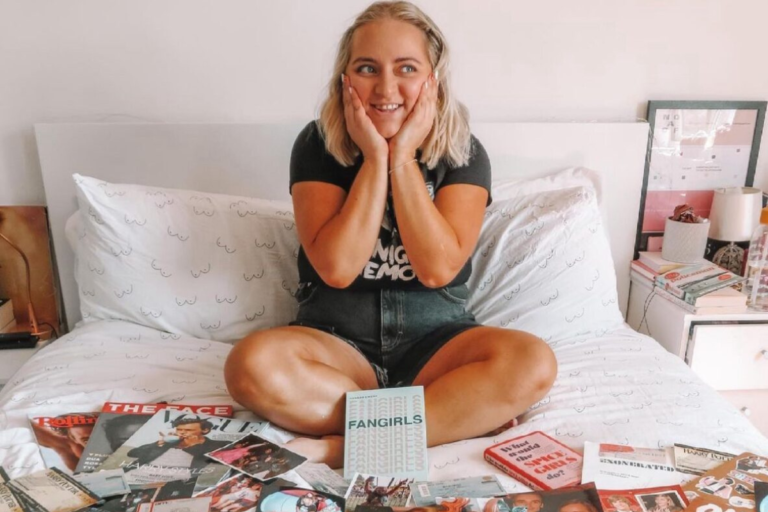
Fangirling should not feel harder than our 9 to 5s.
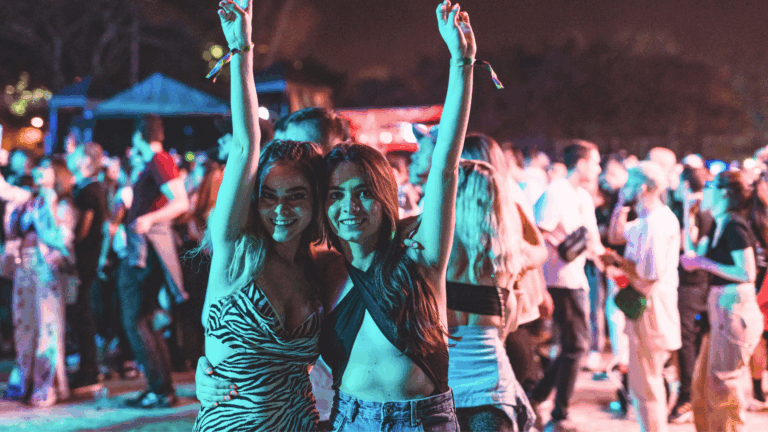
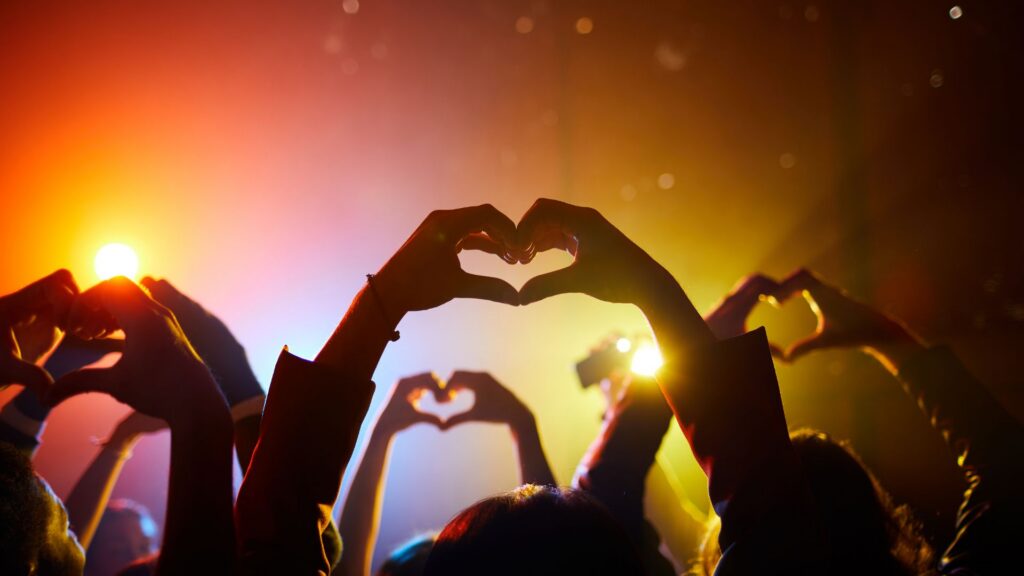
The fan experience is crafted by a multitude of elements, but at its core, it’s bonding over a shared interest in support of our favs (artists, cinematic works, comedians, etc). Whether it’s singing at the top of your lungs at a live event or stopping in your tracks at a 10am tour announcement, we all know what it feels like to enjoy something so deeply that it’s engrained into our daily lives.
Fandoms are the backbone of the entertainment industry, yet somewhere between building community from the ground up and freely engaging with media, it’s taken a turn that feels impossible to escape from.
So what changed?
Toxic Online Spaces
Online spaces have become crowded with rules and procedures on how to be a proper fangirl.
If you were a fan of multiple artists in the same category, you were deemed unloyal. If you weren’t awake for the midnight release, you were fake. If your username or profile layout didn’t feature the artist in some form, you were a bot account.
When I was an avid participant of Stan Twitter (now known as X), there were many instances where my various fandoms would engage in discourse about how hard it was to break into online spaces because of the disparity between big and small accounts, or accounts with high follower counts. There was often an unspoken hierarchy in which you had to earn your place to be followed back, interacted with, etc.
Instead of finding a positive community, fans have increasingly been met with a flood of regulations to abide by, as if the very nature of their fan identity must be verified by strangers online.
Parasocial Relationships
Though there can be healthy parasocial relationships, it is a slippery slope to become all-consuming and dangerous. As a society, this type of behaviour can be promoted without fully understanding its effects.
Don’t get me wrong, it is completely okay to love and appreciate a public figure. Personally, I do not play about BTS or Céline Dion. However, that love should come with boundaries, which is unfortunately not always respected.
It may be normalized in some fandom spaces to tune into every livestream or interview or buy pieces from every merch drop. But, more intensely, parasocial behaviour can manifest into shaming others for not acting as “passionately,” thus, further contributing to the sense of unrivaled obligation towards these artists (who we do not really know, btw).
Any fan’s personal decisions are their own, but it’s when it is projected as the standard that creates an issue.
The Age of Dissent
Hot takes and fiery discourse garner more attention than positivity, and we are definitely in a digital age where dissent thrives.
However, this internet culture makes it infinitely easier for online spaces to ignite the flames of fan wars, both internally and with other fandoms. Publicly admitting that you aren’t obsessed with a release are grounds to be shunned. Enjoying the music by artists from “rival” fandoms is considered an unforgivable offence. If you’re not ready to lay down your life to defend your favs, it’s as if you might as well delete your account.
I’m only slightly exaggerating. Keeping the peace or recognizing nuance doesn’t feel like an option in all fandom spaces anymore.
While there are plenty of other contributors to this demanding and exhausting stan culture, it’s equally as important to acknowledge that all hope isn’t lost.
I’ll repeat this: all hope isn’t lost. If any of these resonate with your experience, you can be the change you want to see online. It’s never too late to relearn how to approach fangirling, prioritising your offline life and health above it all. Your place in your fandom is not determined by any social proof. How you fangirl is up to you, and only you. Fangirling should be fun, and you owe it to yourself to find your way back to that.
Thankfully, your friends here at TFGL have plenty of suggestions for that.