How Pop Stans Build the Most Incredible Internet Sisterhoods
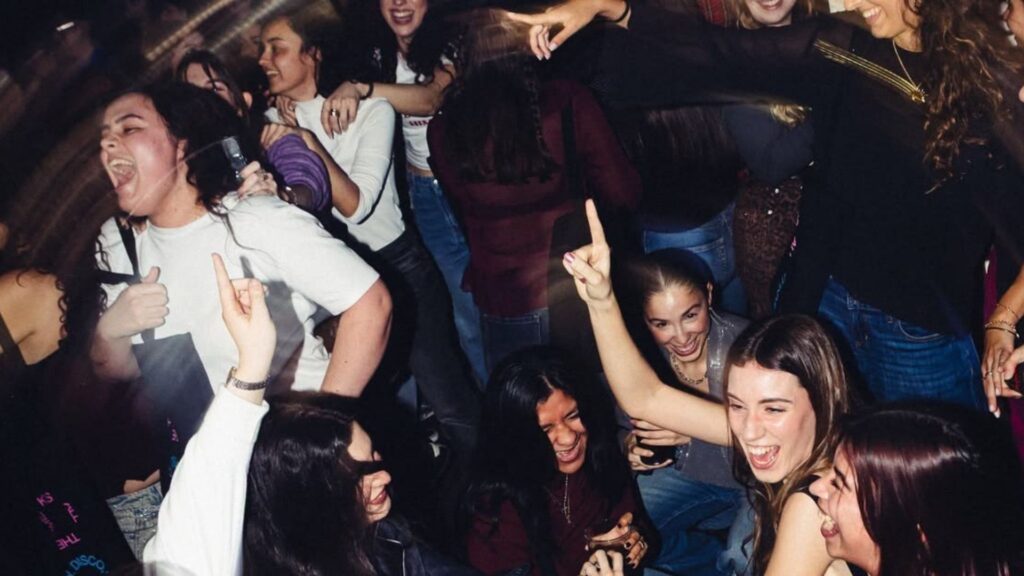
Pop stans and their sisterhoods are like cults; cults you want to be a part of!
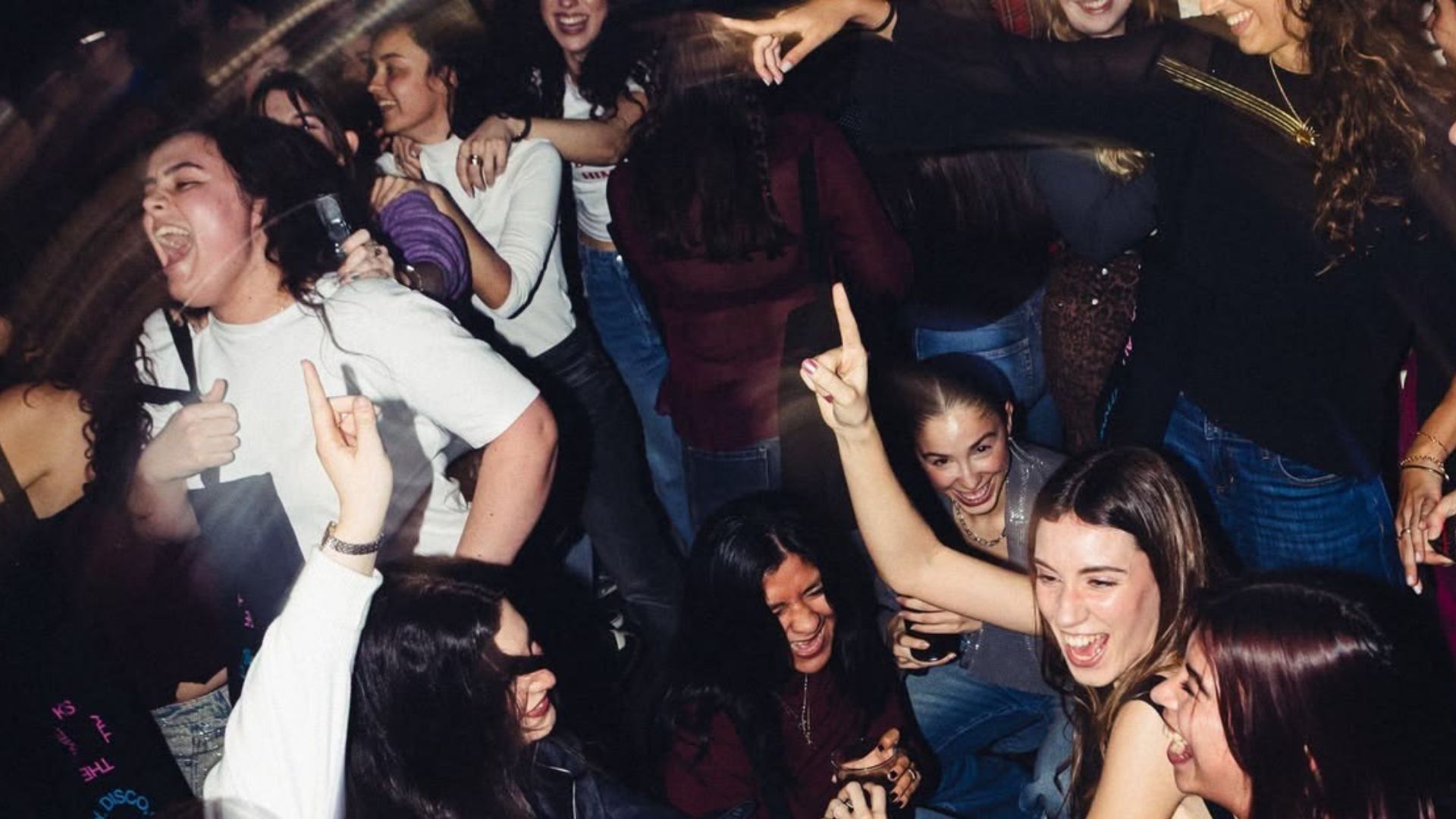
These days, it’s all about mass mobilisation, whether that is mobilising to support your fave, to start a stan war, or to engage in group discourse. The feeling of belonging to a pop star group is a feeling like no other.
But how were these communities created? Like many communities, the internet gave birth to them. The rise of online pop fan communities came rapidly as we entered the digital age. In the nineties, it started with online forums, and in the 2000s, it evolved through social networking sites like MySpace and Facebook. In these groups, fans weren’t focused on mobilisation; they were committed to posting and finding like-minded people who enjoyed discussing their fave pop artist.
Fandom has existed long before the online world, but before soft life stan culture, we had forums and online groups. Still, one thing remains the same: sisterhood in these groups unites fans across the world. In reality, the internet has reorganised pop stans and their sisterhood into tightly-bonded, active communities where chart positions and social media trends are influenced by their words and online movements.
But how they got here is a dynamic journey, one worth exploring.
The Slow Community: How Pop Fandom Communities Grew
As we mentioned earlier, online pop fandoms started in the 1990s and 2000s with forums and message boards. In 1999, LiveJournal was created, a website where people could essentially keep a digital diary. However, it quickly became a place where fandom communities grew through live blogs and community forums. At the time, pop music was shifting to an era of boy bands and princesses of pop.
Artists like N-Sync and Britney Spears were suddenly being discussed and adored online by total strangers, a novel concept at the time. What this changed, even though it was slower in comparison to the instantaneous nature of pop fandoms now, was fandom visibility. Fandoms became public-facing outside of TV and radio, and these communities became recognisable, powered by teenagers and young people.
Geographical limitations no longer applied, because anyone with internet access could join a LiveJournal or online discussion. Into the 2000s, instant fandom continued to grow with similar platforms, with the same live reactions being recorded and posted.
Message boards, however, were more specific to fandom discussion. Websites like Fanfiction.net allowed people to create art based on their favourites. For pop fans, these offered endless possibilities to create fanfiction of their favourite celebrities, sometimes with other fans or as self-inserts, starting the iconic Y/N concept.
Stan Twitter Splosion
Social media sites gave pop fans the chance to expand their communities beyond writing and discussions. Fandom became larger when pop fans decided they wanted more from their communities. Tumblr became the go-to place in the early 2010s for dynamic fandom experiences. Suddenly, the era of pop fan accounts began, and fans could repost GIFS and posts they felt represented by. During this time, many newer artists joined the pop girl lane.
With these newer pop girls came the birth of online aesthetics. Fan accounts started to influence what was trending in fashion and media because they boosted the popularity of artists like Lana Del Rey and Marina and the Diamonds. You couldn’t go on Tumblr without seeing GIFs of Lana wearing a flower crown with her 1960s aesthetic. So, Lana stans gradually started to change their style and makeup to fit hers, thus bringing the 1960s look back into fashion. Along with curating fashion trends during this time, pop fans changed the mood by reblogging GIFS of her, making her style and music popular. In this case, pop fans banded together, influencing trending style to match the popular sad girl aesthetic Lana adopted at the time.
A little later, Stan Twitter became the go-to place for real-time fan participation. With the ability to have any username, header, and profile photo, pop fans could individually support their faves by creating an account with a related username. Suddenly, there were named online groups who mobilised by following and interacting through likes, quote tweets, and post replies.
Among fan groups, this created an intense sense of loyalty, as many fan accounts focused on a specific pop person. The term ‘stan’ became popular, meaning to devotedly support a specific person. If you ‘stanned’ One Direction, they were your favourites. Stan Twitter created named groups for these people, suddenly they were Beliebers and not Justin Bieber fans, and called Arianators and not Ariana Grande fans.
Pop Stans and Their Influence on Culture
We briefly discussed pop stans and their influence on culture, but with Twitter, that influence was revolutionised into album sales, streams, and cultural relevance. Twitter’s concept of trending hashtags gave fandoms a new way to mobilise their support for their favourite pop stars. Even musicians and their teams realised the power of social media and using hashtags to interact with their fans, creating a mutually beneficial relationship. Fans would receive instant content through the pop star’s tweets, and they’d respond in kind.
Since online communities grew due to their faves and increasing fame, pop fan groups realised they could band together to support their fans in a new way: by trends. Usually, these stemmed from one account posting an encouraging message to get fans interacting and tweeting under the hashtag, increasing engagement and the likelihood of a worldwide trend.
For nostalgia’s sake, here are some popstar hashtags started by fans online:
• #FreeBritney – A hashtag started that gained prominence in 2021, started by Britney Spears’ fans to encourage awareness of her conservatorship and urge her to be freed from the legal arrangement. She was freed from it in November 2021.
• #StreamPositions – In an effort to increase streams of Ariana Grande’s 2020 album, her fans mobilised to create the trending hashtag StreamPositions. The album debuted at Number 1 on the Billboard album chart.
• #MTVHottest – A hashtag related to the vote for MTV’s hottest or most ‘relevant’ artist of the year, voted for by fans in a competition. Frequent winners, thanks to fan votes and tweets, were BTS and One Direction.
• #TaylorSwiftIsOverParty – A viral hashtag related to the ‘downfall’ of Taylor Swift back in 2016, when Kanye West released a phone call snippet that ‘showed’ Swift agreed to the lyrics she had called “misogynistic” for his song Famous. People believed Taylor was lying, and so stans around the world trended the hashtag, effectively sending the singer into hiding for a year.
In terms of culture, pop fans decide and still decide who is culturally relevant through their online power and streaming. They also engage in activism by aggressively tweeting to trend a hashtag during moments to create social change and awareness online. Pop fans do this by coming together to support a specific cause or moment. In 2020, K-Pop fans of the group BTS raised over $1 million for the Black Lives Matter movement through the hashtag supporting the movement, following the controversial death of George Floyd at the hands of police officer Derek Chauvin.
Many fan networks also mobilise in their own way to trend hashtags or encourage boycotts when they believe something is problematic. This is a fandom-wide reality, where fandoms have come together to boycott companies funded by Israel in the height of the Israel-Palestine conflict.
Through social media and global campaigns, pop fans have created their own version of activism, driven by social media and fan passion.
The Creation of Art Through Fan Edits
Another way pop fans influenced online culture is through art, through the popularisation of fandom art. On Instagram and Twitter, making fan edits became popular in the 2010s, with fans using their talents to create a series of clips of their fave, with transitions to music and specific audios to show different sides of them. Sometimes the edits would be ‘hot’, other times cute, and sometimes, sad. Through dedicated edit accounts, pop fans made certain videos popular on social media, amassing hundreds of likes, comments, and engagements with other fans.
On Instagram and Twitter, this created a sub-community of editors who became known in their fandom for creating edits and having a certain style. Accounts like @emiliasbastard and @boca.aep were well known in fandom for editing celebrities and famous characters. Many others existed in other fandoms, editing clips of pop artists for concerts.
Later, this shifted to fan cams on TikTok, a more minimalist style of editing focused on cutting together clips to fan-made and trending audios, but the influence of fandom editors has lived on in recent art on newer social media platforms. In their own way, prominent editors created communities with other editors by dedicating posts to their editor friends and crediting them for artistic inspiration.
In a way, artistic popn stans found each other through video.
Virality of Music and Focused Loyalty
Pop fans influence the charts through strategic campaigns to get their fave to the number 1 spot. Before, this focused on selling singles, but now it focuses on streams. Through a coordinated effort, pop fans host streaming parties, track charts, and group pushes, coming together to support their fave by promoting their music.
Online, this creates a mobilisation tactic in fandoms and stan warfare, where pop fans go head-to-head to give their fave the number one spot. Recently, this worked for Olivia Rodrigo, as the Livies got her yet another number one lead single with her new song Drop Dead.
Pop fans come together to make music and songs go viral through using TikTok sounds, which pushes songs up the charts. Pop fans are the tastemakers; they decide what goes viral and who has a moment. A perfect example of this is British singer Olivia Dean, who had one viral moment with her song Man I Need, and Swedish singer
Zara Larsson, who had a resurgence through her part on a remix of PinkPantheress’s song Stateside. Pop fans are the tastemakers, and they decide when a song is viral and if an old song is going to have a revival moment.
Loyalty is performed publicly, as fans often engage in discourse on Twitter, defending their fave and commenting on the latest fandom moments concerning them. The Beyhive, Barbz, and Swifties are examples of pop fan groups with a ride-or-die attitude, supporting their fave through mobilisation and intense engagement with online discourse that involves them. Because a majority of fans in the group have the same goal: to support their pop girl or boy with unwavering loyalty.
Why Do Pop Fans Bond So Deeply with Each Other?
Pop fans share a deep bond for a few reasons. Firstly, pop music is emotional. When artists release a new project or tease a new era, they usually have a theme. Pop music deals in themes of love, heartbreak, empowerment, and change. Often, young fans relate to an artist in a specific way, and they see them as symbols of understanding and identity.
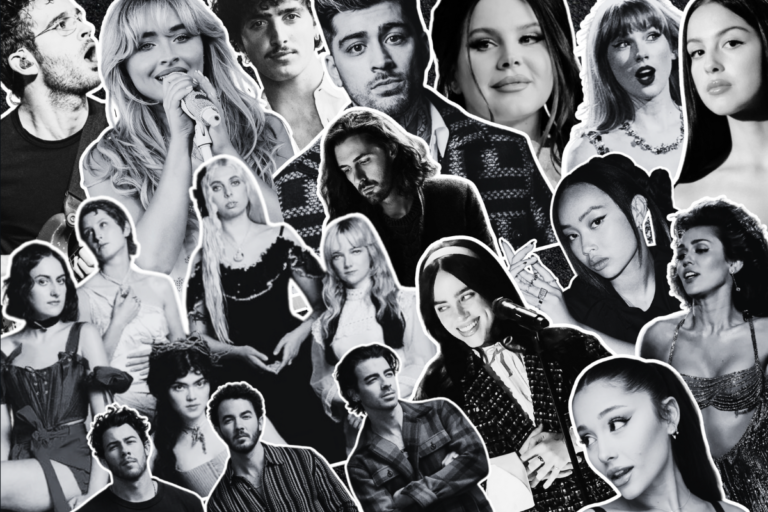
It is easy to bond with the current main pop girls because each one offers something different. Ariana Grande’s recent music is designed for healing and vulnerability, Lady Gaga’s focuses on self-expression and identity, and Charli XcX is for the messy, authentic party girl.
Pop stan sisterhoods thrive because the music and identity are intimate, and the music, aesthetics, and the artists themselves are driven by expression and carving out a specific identity for fans to embrace.
What Does the Future Hold for Pop Stan Sisterhoods?
Pop fandoms have redefined the fan experience. The lines are blurred between the popstar and the fans through fan interactions, content consumption, and social media posts. The relationship is mutual, as fans engage and boost their faves’ music and sales, while artists curate an image and aesthetic for each era, which they sell to their fans. They must reinvent to stay relevant and to offer something new to the pop market that their fans are interested in.
Pop fans are more important than critics, because their opinions decide whether a song is hot or a commercial flop. However, tension remains. I predict that while pop fans have intense sisterhoods through a sense of belonging to their chosen fan group, there is still a risk of burnout and toxicity, where fans will argue and feel pressured to be online 24/7 defending their fave from comments, they’ll probably never read.
In an industry built on image and connection, pop stans have turned devotion into a lifestyle. Their utilisation of social media and ability to curate viral moments shows their power is not disappearing any time soon. In fact, when we consider the rise of recent pop girls, it’s obvious it’s fan-driven, stemming from a love for the genre.
So, pop fans and their power are here to stay, and their influence on culture won’t waver.