RAYE’s This Music May Contain Hope is a Show-Stopping and Unapologetic Masterpiece


Following the success of her 2025 single WHERE IS MY HUSBAND!, South London singer-songwriter RAYE returns with her second full-length album, THIS MUSIC MAY CONTAIN HOPE.
Focused on overcoming heartbreak and deep-rooted insecurities, the 73-minute project is anything but reserved. Across 17 tracks, RAYE delivers a showstopping blend of raw storytelling and expansive instrumentation, inviting listeners closer to her inner world than ever before.
From dramatic ballads to sweeping orchestral arrangements, THIS MUSIC MAY CONTAIN HOPE. is unapologetically theatrical, steeped in old-school glamour. With the album’s debut single WHERE IS MY HUSBAND!, fans had already caught a glimpse of the direction RAYE was heading. Still, the full cinematic scope of the record proves more arresting than expected, unfolding with the scale and emotional weight of a film score.
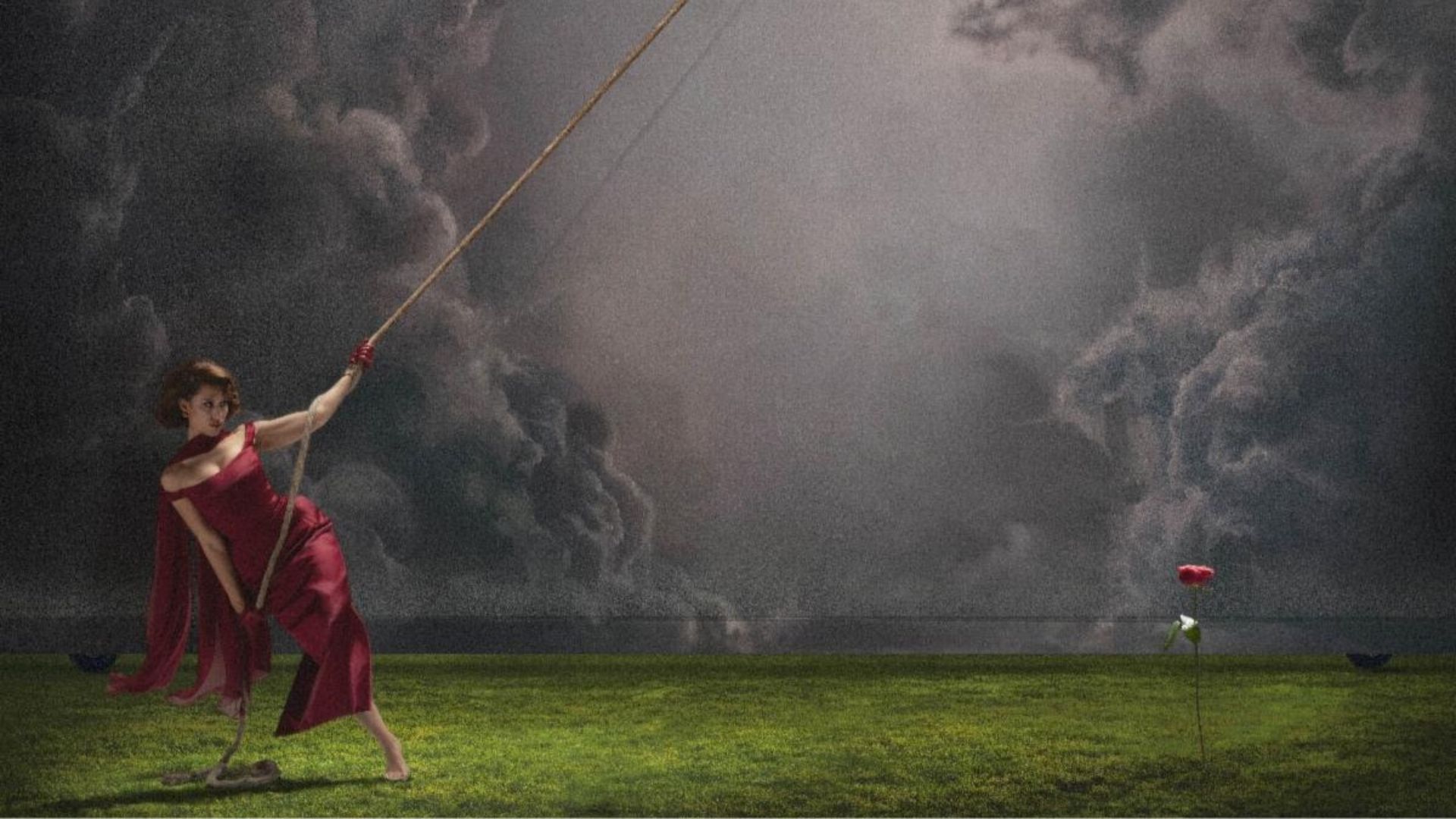
The album opens with the spoken-word Intro: Girl Under The Grey Cloud, where RAYE sets the tone with a moody vignette: “Allow me to set the scene / Our story begins at 2:27 a.m. on a rainy night in Paris, cue the thunder.” It’s a bold and theatrical introduction, placing the listener inside a late-night bar alongside a woman quietly unravelling after heartbreak. The track establishes the record’s central themes – loneliness, self-reflection, and resilience – while also signalling that this is a project designed to be experienced from start to finish, rather than in pieces.
This atmosphere spills directly into the album’s early run of songs, where RAYE leans heavily into orchestral pop and jazz influences. On Beware.. The South London Lover Boy., the singer dives fully into her storytelling instincts, crafting a near-cinematic character sketch of a magnetic but dangerous romantic interest. Its playful warnings inject a burst of personality into the album’s early run, offering a moment of wit without undercutting the emotional stakes.
Elsewhere, mid-tempo ballads allow RAYE’s songwriting to shine. Tracks such as I Hate The Way I Look Today. and Life Boat. lean into stripped-back arrangements that foreground her lyricism, where she balances candid detail with sharp, memorable one-liners about betrayal, insecurity, and emotional exhaustion. These quieter moments give her voice room to take centre stage, shifting seamlessly between smoky restraint and soaring belts that underline the sincerity of her lyrics and prevent the record’s heavier themes from tipping into melodrama.
Several tracks in the middle of the album stand out for their sonic ambition. Click Clack Symphony, with Hans Zimmer, builds from sparse piano into a sweeping crescendo of strings and brass, showcasing RAYE’s flair for theatrical drama and her willingness to let songs unfold patiently. In contrast, Nightingale Lane. pivots into jazz territory, with brushed percussion and sultry horns that highlight both her versatility and her deep-rooted love of classic jazz and soul. These stylistic shifts prevent the album from feeling monotonous, even as it maintains a cohesive emotional palette.
In the latter half of the record, the themes begin to shift subtly from heartbreak toward self-reflection and healing. WHERE IS MY HUSBAND! remains one of the album’s most striking moments, pairing biting humour with genuine vulnerability. Its swelling strings and dramatic pacing make it feel almost Broadway-like, turning a satirical premise into a deeply relatable meditation on loneliness and societal expectations.
A late-album standout, Fields., sees RAYE confronting her past and her insecurities with a newfound tenderness. The stripped-back production is particularly effective here, allowing every crack in her voice to land with full emotional weight. Near-closing tracks Joy. and Happier Times Ahead. offer a sense of cautious optimism, suggesting growth rather than neat resolution and reinforcing the album’s overarching message of survival and hope.
Despite its length, THIS MUSIC MAY CONTAIN HOPE. rarely feels directionless. Its sequencing guides the listener through waves of despair, anger, humour, and eventual acceptance, giving the album a narrative arc that rewards patience. A handful of songs in the final stretch do risk blending together, but they never fully derail the emotional momentum built earlier in the record.
Ultimately, what elevates the album is RAYE’s willingness to remain fearlessly honest. She resists the temptation to package pain into tidy conclusions, instead allowing uncertainty and vulnerability to remain at the forefront. In doing so, she creates a body of work that feels less like a collection of songs and more like a personal journal set to music.
With THIS MUSIC MAY CONTAIN HOPE., RAYE solidifies herself not only as a powerhouse vocalist but as one of the most compelling storytellers in contemporary British pop. Grand, dramatic, and occasionally indulgent, the album thrives on emotional excess – and in doing so, captures the chaos of heartbreak and healing with striking clarity. It demands time and attention, but for those willing to sit with it, the payoff is deeply affecting and ultimately, fittingly, hopeful.