
Archiving The Fangirl Legacy: Why Preserving Female Fan Culture Matters

With October 2025 marking the 20th anniversary of the Twilight books, what better time to look back at the history of fangirls.
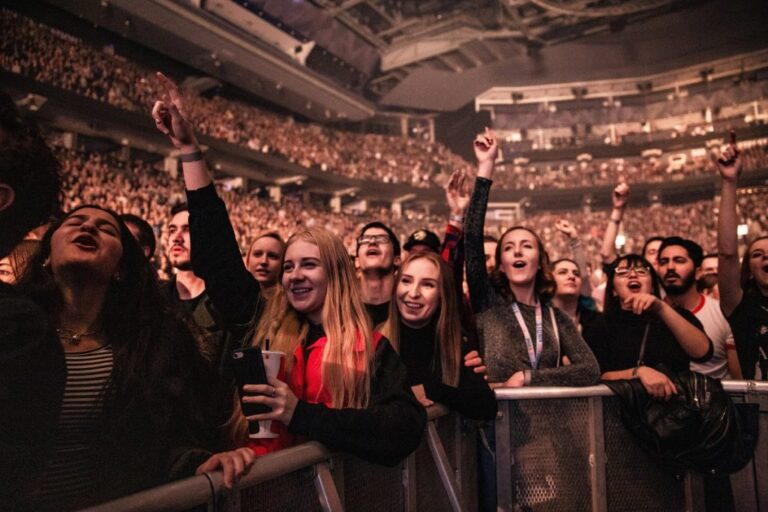
From Beatlemania to Twihards, fangirls (whether people like it or not) have always been a driving force in popular culture. Let’s review the often-overlooked legacy of fangirls and their monumental impact on the history of music, television and film.
Fangirls are often not taken seriously as a demographic, but by giving them the attention they deserve, it can show us how majority female fandoms have often decided what is popular, ultimately playing a significant role in the media industry as a major consumer.
Yet, the pushback and stereotypes they face are an inescapable part of their past, as fangirls, no matter the object of their obsession, are consistently framed as excessive, overly emotional and fanatic. However, we modern fangirls are now reclaiming these negative portrayals, as the subculture has evolved into diverse communities that encourage belonging and creativity.
“Movie-Struck Girls” and early fans
Although the term “fangirl” feels like a more modern concept, devoted female fans can be seen as far back as “Lisztomania”, an enthusiastic following of Hungarian musician Franz Liszt, one of the most prominent composers during the Romantic period in the nineteenth century. Liszt fangirls would reportedly collect his discarded items like old piano keys and cigar stumps, and were infamous for their (apparently) overly emotional reactions to his live performances. (Should we bring back fangirling over nineteenth-century piano composers in 2025?) The name Lisztomania was used because it was genuinely looked upon as some sort of mental illness.
One of the first examples of fangirls being taken seriously as an audience is what author Shelley Stamp calls the “movie-struck girls” in the 1910s and 20s. The film industry, for the first time, actively encouraged women’s attendance at the cinema. However, complications arose from criticism around movie-going etiquette. Basically, they were also seen as disruptive and “too much”.
It shows the beginnings of the cultural anxiety and moral panic about women’s consumption of media, as male dominated media industries feared the influence that these movies had on women, as well as the influence that women had on the film industry (determining what type of films were made). They were onto something here, given the massive economic power that female fans later became, inspiring more “girly” franchises and trends.
Pioneers of culture: from Beatlemania to Directioners
Obviously, when thinking of the history of fangirls, Franz Liszt probably doesn’t immediately come to mind. Rather, most readers might think of The Beatles and images of screaming girls during their performance on the Ed Sullivan Show in 1964.
Beatlemania took over pop culture in the 60s and changed the music industry, though not without criticism of them and their fanbase.
Journalist Paul Newman described concert-goers as “the dull, the idle, the failures”, and fangirls were yet again treated as hysterical and as having some kind of psychological problem. One science journal wrote: “Beatles Reaction Puzzles even Psychologists. Meanwhile, Bob Dylan later came out and said that he liked The Beatles but “kept it to myself… everybody else thought they were for the teenyboppers”.
Now revered as icons and geniuses who created some of the most influential music of all time, The Beatles were not taken seriously at first due to their association with these screaming young fans. Yet, they owe much of their success to these devoted followers who bought tickets and merchandise.
It’s interesting to hear firsthand accounts of fans discovering The Beatles; an article from The Guardian details fangirls feeling “electric” after hearing their music for the first time, like it was “black-and-white turned to technicolour”. One fan even said they helped her generation “find their voices”. Beatles fans also started to actively create and participate in culture, creating fan clubs and starting bands inspired by their music. It’s important to draw attention to and preserve personal histories like these, as the narrative around Beatlemania was overwhelmingly written by a male-dominated journalism industry, full of disdain for young, enthusiastic female fans.
Fan culture continued with countless other artists and bands like The Monkees, Duran Duran and even pre-dating The Beatles with Elvis fangirls, all of whom have their own unique histories.
Skipping forward to the fandoms of 90s boybands like N’SYNC, and more recent iterations like Directioners and Beliebers, fangirls continued to launch the careers of household names like Justin Timberlake and Harry Styles. In fact, the excitement around One Direction in particular was often compared to Beatlemania (more on Directioners later).
YA fiction, trendsetting and active participation
Fangirls are not a monolith, and exist in different forms – it’s not all boy bands; there are book fangirls too.
For me, one of the defining characteristics of the late 2000s and early 2010s culture were the YA (young adult) book trends (later turned into films and TV shows); namely, the vampire and werewolf craze as a consequence of Twilight’s popularity, followed by the number of teen dystopian stories following The Hunger Games, yet again proving the power of fangirl influence on the creative industries.
Again, the common thread throughout this history is the backlash and exaggerated stereotypes in other iterations of female fandoms, as Twihards (the nickname for Twilight fans) were infamous, facing massive amounts of hatred and mocking. If you were too young or weren’t paying attention at the time, it’s hard to do this phenomenon of hatred justice. There is no more apt an example than the sheer outrage that these fans were met with. Despite this outward disdain, again, I would argue that the Twilight girls were ultimately taken seriously by the industry, as several vampire and supernatural-themed television shows and films were released. One of the most popular shows, The Vampire Diaries, put its own unique stamp on pop culture, and its fanbase is still going strong today online (shout out to Paul Wesley’s Instagram Lives).
This era solidifies fangirl culture and fandoms at large as active participants in culture, not just passively consuming media. It gave way to the popularity of fanfiction, for example, with series like Twilight being popular subjects on websites like fanfiction.net, Wattpad, with the latter also featuring an innumerable amount of One Direction self-inserts. The jokes born from One Direction fics are the gift that keeps on giving (thinking of the girls with their messy buns taking a book to a One Direction concert hoping Harry Styles will notice them. Also big shout out to the authors who wrote about their parents selling them to the band). Jokes aside, it shows how the history of fangirls is full of examples of bands, books and movies inspiring fans to create their own art.
In fact, the impact of franchises and artists spearheaded by fangirls remains culturally relevant even in 2025.
The recent “Twilight Renaissance”, where loving the series has become “cool”, has been a particularly joyous part of recent fangirl history, coinciding with this reclamation of loving things considered “girly” (see the sudden critical acclaim that Taylor Swift received during the release of Folklore and Evermore), all of which was largely due to the pandemic. Highlights include the “Bella, where the hell have you been loca?” meme.
A history of community and belonging: reclaiming the narrative
As social media became a vehicle for fangirling and there was this reclamation of “girlhood”, the internet has provided a new opportunity for fangirls to tell their own stories; and it wildly differs from the descriptions of older male journalists in the 60s. It’s important to continue to preserve the subculture’s history, whilst giving women the chance to reclaim agency over recounting their fangirl experiences. So, I interviewed two One Direction fans to see what they remember about the phenomenon, and what being a fangirl means to them (archiving and preserving our own history, in a way!).
Esha, 24, owned a One Direction fan account on social media, and threw a 10th anniversary birthday party for the band. She says her experience was “pure joy and infatuation with these five boys… it was the start of my fangirl era.”
She explains the “sense of community a fangirl gives, especially with the eras tour and the whole girlhood, friendship bracelets, feeling of being safe, singing and dancing without care of being judged.”
Irish, 26, was also an avid Directioner, and suggests that it was partly related to boys her age at the time being immature: “I feel like I saw the boys from 1D as what I wished all guys were like.” Laughing, she adds: “I was a Niall girl, just because we’re both left-handed and we both play guitar and my name is Irish!”
“I guess what I enjoyed about being a fangirl was the aspirational aspect… that One Direction exists so not all guys are bad, right?
“And being in the fanbase was just so much fun, the shared experience of growing up and gaining a more sure sense of identity to guide you through being a teenage girl. It was validating.”
It’s important to tell stories like these. Modern fangirls actively participate in culture, writing fan fictions, running fan pages like Esha and creating fanart. Whilst still overlooked, it’s an important element of cultural history, and it’s up to us to archive it, take it seriously and appreciate our subculture’s unique, misunderstood yet empowering history.