
The Evolution of Fan Clubs: From Mail-In Newsletters to Discord Servers

In essence, the fan club is a group dedicated to one specific thing, such as an author, a TV show, a character, or celebrity. They form for the purpose of discussing said thing and enjoy actively participating in its associated media together.
Since there has been media to engage with, there have been fan clubs dedicated to engaging with it. Pre-internet, fan clubs were small, local groups that joined together in person to discuss and create. Post-internet, fan clubs have scaled up into fandoms that cross international borders. Yet, the sentiment remains the same, with fans continuing to find their communities within fandoms.
The evolution of fan clubs has become synonymous with the evolution of media over the last century, as clubs have grown bigger and more accessible with each new development in time.
We cannot know for certain when the first fan club was formed, or what it was devoted to, but one of the earliest recognised groups was dedicated to the Sherlock Holmes novels by Arthur Conan Doyle. First published in 1887, Sherlock Holmes became a hit with its readers. Fan clubs made pastiche (art works that imitate the style and characters) to celebrate the books and even held public gatherings of mourning when Sherlock was killed off in 1893.
Even before Sherlock was published, fan clubs were up and thriving. Author Louisa May Alcott speaks of fan clubs in her 1868 novel, Little Women. The four main characters are written as members of the Pickwick Club, referencing Charles Dickens’ 1836-37 Pickwick Papers series.
The early 20th century brought about new media and new ways of interacting with it. The birth of radio and cinema, the Golden Years of music and shows, and the rising need for escapism and togetherness was an attractive feature of fan clubs at the time.
In 1939, New York hosted the first World Science Fiction Convention (Worldcon, as it is now known) for the local fans and clubs. With around 200 attendees, and a well-known, influential pulp magazine illustrator guest, Frank R. Paul, this convention demonstrated the power of fan clubs.
The development of physical media, such as vinyl records (1930s) and cassette tapes (late 60s), together with the radio, brought music into people’s homes. The music scene exploded with a wider public now able to listen and engage with the sounds of people far and wide. Fan clubs joined together to host ‘listening parties’, whenever their tunes were travelling through the airwaves.
It was at this time when Elvis Presley came onto the scene, turning crowds into fans and topping the radio charts every chance he got. A little bit later, Beatlemania cursed the streets, turning fan clubs into fandoms, as the Liverpudlian band stretched across international borders.
During this era of media, fan clubs became safe spaces for women and girls to engage in leisure and spend time together. Icons like Elvis and The Beatles, along with books and radio shows, provided an escapism from reality and a community of likeminded others.
The late 20th century sent the evolution of fan clubs into speed drive with the development of the internet. Early internet users forged the way crafting the internet as we know it now, creating new ways of interacting with others in different spaces and times. This was a game changer for fan clubs. Now, fan clubs could branch out to connect with more fans and talk from wherever there was a computer.
It was around this time, when Usenet was the hottest internet discussion tool, that newsgroups and mailing lists became an integral part of a fan club. Newsgroups acted much like the discussion boards we use now: a place for users to chat about their favourite show or artist and give updates about them to other users. They provided easy access and all of the need-to-know information, which was useful for newcomers and long-term fans alike. Mailing lists appeared in the early 90s, as a subscription-based service for fans to interact with each other from far away. Fan club members would subscribe to the list and receive mail from the members who contributed. It was a way of creating and sharing news and art with other members.
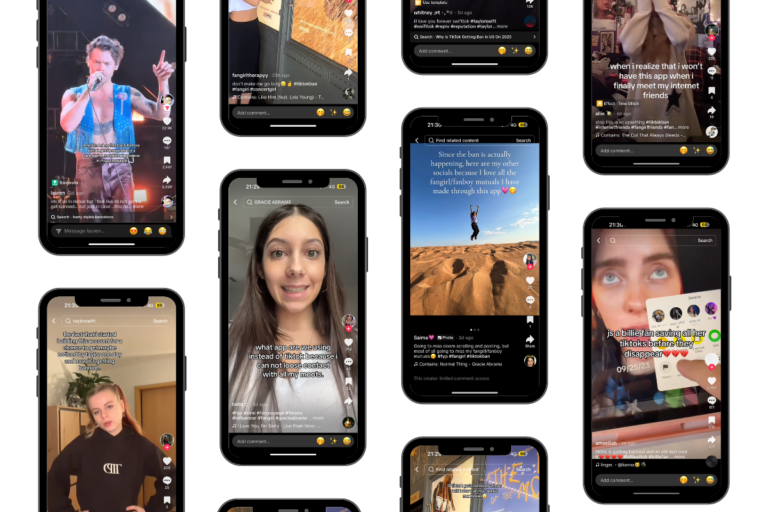
Entering the 21st century, the evolution of fan clubs was about to pivot onto the global stage. When the first social media platforms came out – e.g., MySpace, Facebook, YouTube, Tumblr – it was another big game changer for fans. Social media allowed fans to connect with other fans from across the globe, in different times and spaces, at all times. Fans were no longer just part of the local or internet chat room, they were part of a globalised fandom.
As media and culture became increasingly globalised, so did the fan experience. And it has only grown over time, as new apps and platforms come out and more people are signing up.
The virtual fan club experience is associated with platforms such as Tumblr and Reddit, as places fans could flock to find the fandom they were looking for. In these virtual settings, and with so many people getting involved, smaller fan clubs began to form, focused on niches within the community. The introduction of chat features in online games further instigated collaboration and encouraged connection between gamers.
Fandom and fangirling became a common cultural topic during the late 00’s and early 2010s because of this surge of new fans and fan clubs. The accessibility that social media provided allowed people to find themselves within so many different and niche communities that had never been seen before.
Now fandom has become inseparable from social media platforms, it is hard to imagine one without the other. These online spaces have given fans the freedom engage with as many fandoms as they want to, whenever they want to. They encourage interaction and engagement, bringing fans closer together through the screen.
Near and Far: The Best of Both Worlds
Fan clubs bring people together to share mutual experiences. It began as a local meeting, with friends and friends of friends joining together in book clubs and vinyl listening parties. We have come so far from that, with Discord servers reaching over a million members to discuss the latest animes and games.
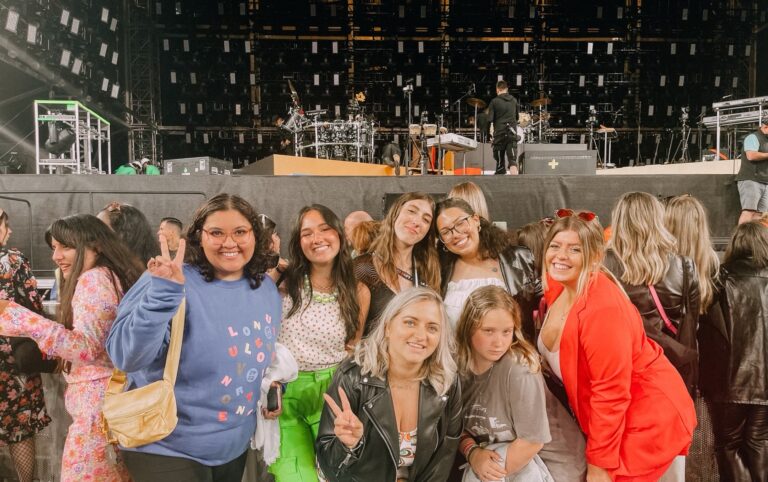
The sentiment of fan clubs is not far away, with virtual fan groups often finding ways to bring the fandom offline too. Music fans organise meet ups at their local concerts, novel fans decide to hang-out at a book signing, fans find their first love at university societies. There are so many conventions for nearly every kind of fan that bring virtual fans back into the real world, to experience community in person and share the fan experience.
The bare bones of the fan club have remained the same, they have evolved with the changing times and media landscape. The club experience has grown exponentially, with fandoms blossoming with each new piece of content and artist uncovered. The evolution of fan clubs shows the power of community and the power of fans.