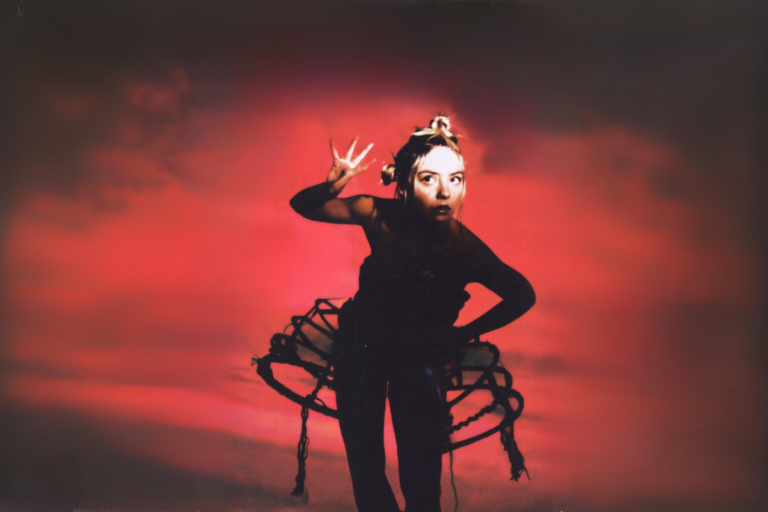

Maisie Peters’ Florescence is the Soundtrack of the Summer


In Maisie’s Instagram post on 19 May, she said, “I know this record has been a long time coming, but I really do hope that 22 May feels just like the beginning.”
Leading up to her new album, Florescence, Peters has been doing some small, intimate shows across the UK. At these shows, she has been playing previously unreleased songs from the album and giving fans insight into their meanings.
At one of Peters’ London shows in the week leading up to the album, she spoke about how she chose which songs should be singles and in what order. She explained that she chose You You You and Audrey Hepburn as the first singles because they are more stripped-back and emotional, and she wanted each song that followed to reflect her journey in the same way that a flower blooms.
The first single, You You You, is about a heartbreak she experienced, yet it was written while she was falling in love. This contrast helps create a more mature and melancholy performance, showcasing her emotional honesty.
Audrey Hepburn, released alongside You You You, shows how Peters has blossomed both as an artist and as a person. The lyrics, ‘I wanted to be immortal, now I’m fine with growing old’, demonstrate Peters’ metamorphosis from the person she once was into who she is now.
The album’s opener, Mary Janes, also shares a similar sound with these songs. Mary Janes highlights her distinctive and healthy outlook on the world. This song also references her time as an opening act on the Eras Tour on 19 August 2024. She sang, “Sometimes when I sing, I get the big note wrong. The teenagers held onto that all summer long”. As Peters previously stated in an interview with The Line of Best Fit, she ‘got a lot of hate in a really insane way’ for her performance at Wembley. It demonstrates that the hate she once received no longer affects her, as she has found love.
These three songs are sonically different from the more upbeat tracks on the album, such as My Regards and Vampire Time. Vampire Time is about existing in a state of longing and asking someone if they are ‘still on vampire time’. Here, Vampire Time acts as a metaphor for sacrificing sleep to think about someone. Similar to some of the other songs on the album, rather than being a bitter breakup song, it becomes a plea for reconnection.
Florescence also includes two features, Julia Michaels on Kingmaker, and Marcus Mumford on If You Let Me. Kingmaker is an emotionally charged song about power dynamics and the lack of acknowledgement women often receive. The track was partially inspired by the novel Wolf Hall by Hilary Mantel. Peters explained that she identified with the role of the kingmaker herself, pulling the strings from behind the scenes to elevate kings. As an avid reader, it is unsurprising that literature has shaped parts of Florescence. Previously, she has spoken about how Rebecca by Daphne du Maurier inspired some of her songwriting.
As well as collaborating on If You Let Me, Marcus Mumford and Peters also wrote Say My Name In Your Sleep together, with Mumford providing backing vocals. This song, too, was inspired by Rebecca. They spent time writing together during deep winter, something that is reflected in both the atmosphere and sound of the track. Themes of longing and obsessive attachment run throughout the album and are especially present in Say My Name In Your Sleep. Peters described the song as being about ‘both haunting and being haunted’. The lyric, ‘I’d rather be hated than forgotten,’ captures a desperate need to still matter to someone, even if the memory of them revives anger or painful emotions. At the same time, the song reflects a sense of maturity, acknowledging that the relationship ultimately was not right for her.
Overall, Florescence feels like Maisie Peters at her most self-aware and emotionally honest. Across the album, themes of longing, growth, obsession, and maturity intertwine to create a record that feels both intimate and expansive. Whether through stripped-back ballads or more upbeat tracks, Peters captures the complexities of love and self-discovery in a way that feels deeply personal while still being universally relatable.