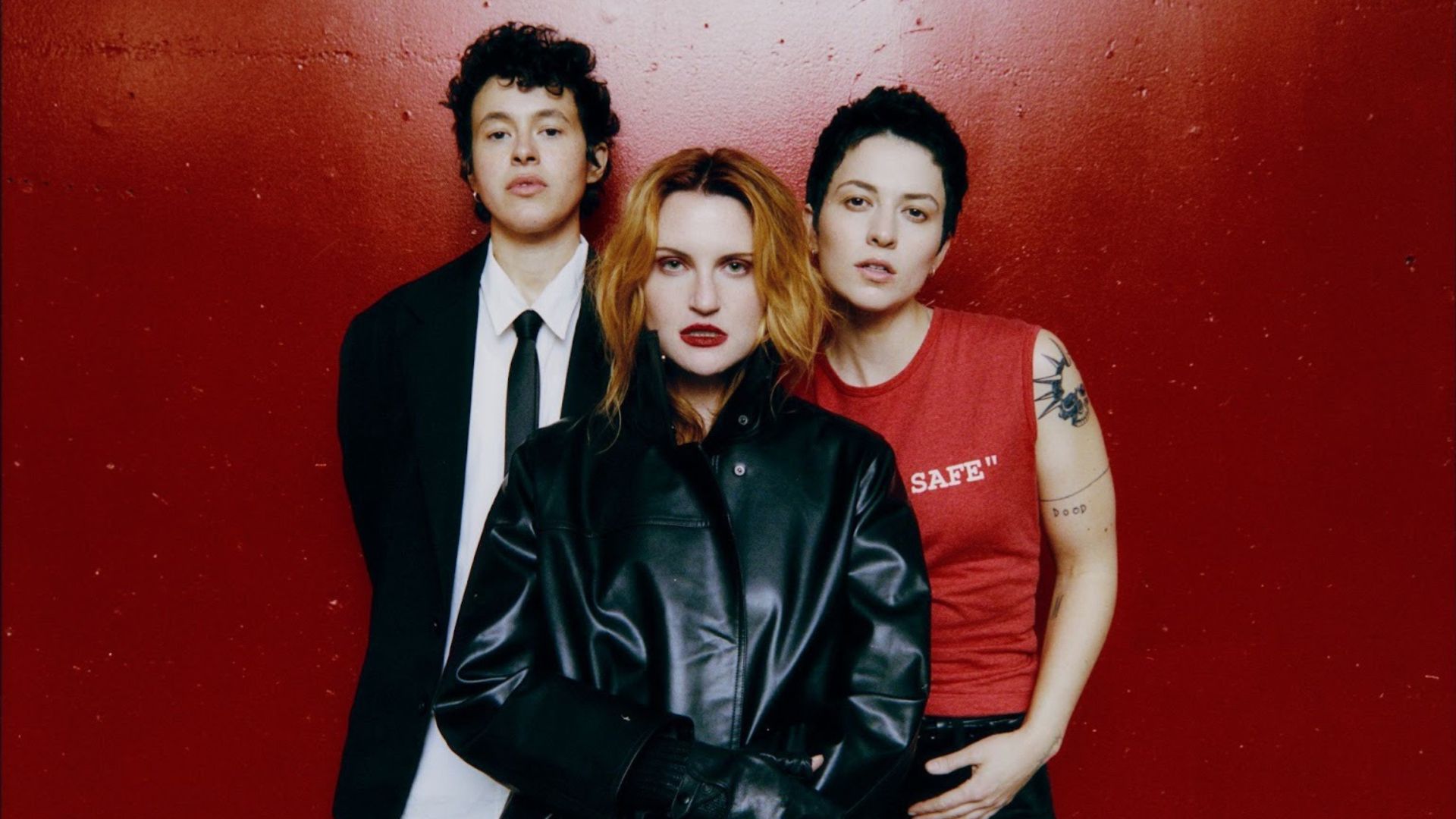
MUNA Makes Way For a Hot Gay Summer On Dancing On The Wall

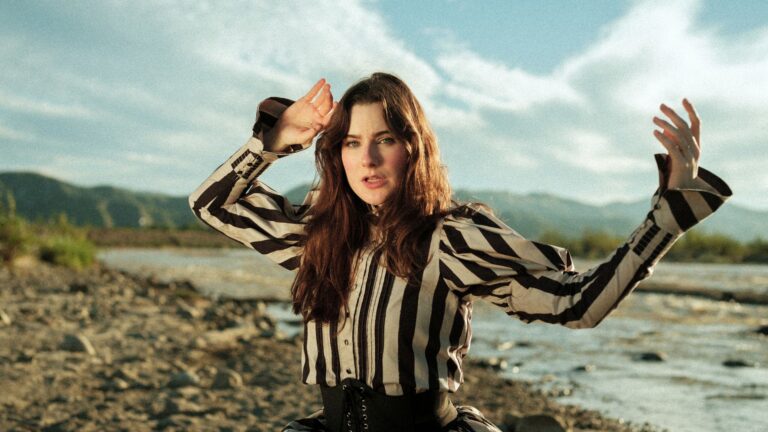
Hot Girl Summer is out, and Hot Gay Summer is in – that’s the message that MUNA deliver on their latest album.
On Dancing On The Wall, MUNA blends the soundscape and themes of club dance pop with frustration and raw emotion, encapsulating the contradictory feelings that accompany using lighthearted fun to distract from the harsh realities of life in 2026.
Dancing On The Wall is MUNA’s fourth studio album, released four years after their previous self-titled album. This collection of songs teases the edges of the band’s synth pop landscape in both new and familiar ways. Their lyrics are both more sexually explicit (Wannabeher) and politically overt (Big Stick) than ever.
The first four tracks establish an upbeat tone for the album, setting the scene with themes of heat, dancing and desire—all perfect for a club environment. It Gets So Hot blurs the line between literal heat in the sun, a house without AC or a room full of bodies, and the figurative heat of the speaker’s object of desire, all underscored by bouncy synths and a stagnant melody that bring these images to life. The lead single and title track, Dancing On The Wall, keeps with the club setting but explores the frustration of cyclical behaviour and letdown in a relationship. The catchy chorus and breakdown into half-time with the addictive post-chorus melody are a highlight.
Eastside Girls uses Los Angeles as the backdrop and concept for a song about pursuing someone who is newly single. The muse’s ex has left “for New York City,” leaving the speaker to embrace and symbolise LA, and specifically the Eastside, as the better alternative. This lighthearted song is one of several on the album to reference the Eastside of LA, rooting the project in the band’s lived experience and “neighbourhood.” Wannabeher details the age-old sapphic debate: do I want to be her or be with her? This song’s distorted guitar and vocals mirror its rough, snarky lyrics that explore the desire to be dominated but also to take that power for yourself: “Obsessed, step on my neck.” The chorus even plays on the line between sapphic friendships and relationships: “God yes, we’re gonna be best friends.”
Why Do I Get A Good Feeling also describes acting on desire as opposed to “common sense.” The light, airy vocal in the chorus parallels the speaker glazing over her reservations about doing something wrong just because it feels good.
Another song that cheekily references sapphic stereotypes is Girl’s Girl. Here, rather than being a champion of women’s solidarity, the muse is a “girl’s girl” in the sense that she has dated almost everyone in her social circle (except the speaker). The song lists girls’ names to hammer home how interconnected the lesbian dating web is, and uses a bright sound and humour to cope with the sadness of wanting someone unattainable. MUNA explores a similar theme in On Call. This more laid-back track outlines the sad reality of staying “on call” for someone even when you should not expect their attention.
Party’s Over and …Unless are both short instrumental transition tracks that break up the album, but they also reference a lyric in Mary Jane: “You can swear the party’s over, but that don’t make you sober.” This catchy, upbeat pop track highlights Katie Gavin’s vocals and reflects on a relationship that failed due to the partner’s marijuana addiction. MUNA uses the euphemism of “Mary Jane” not only to refer to the drug, but also to personify it as another woman who drove a wedge into the relationship, with references to her “green eyes” and “perfume.” The speaker laments the fact that her partner wanted to “marry Mary Jane” instead of her, which led to heartbreak.
So What, the second single released ahead of the album, explores another aspect of heartbreak. The speaker is in denial as she attempts to use fame and superficial validation to compensate for this sadness. If “lots of people love me now,” she wonders, “so what if you don’t?”
MUNA’s most political song to date, Big Stick employs sharp lyrics and upbeat guitar to make a commentary on the misuse of power and influence in the world.
The title is a reference to big stick ideology, which describes Theodore Roosevelt’s foreign policy during his administration and his quote: “Speak softly and carry a big stick; you will go far.” The band draws a line between this thinking and the current state of US and global politics, condemning actions such as giving “weapons to dictators in apartheid states.” The song also stresses the inherent political power of influencers and police presence. Big Stick was available for purchase ahead of the album’s release to fundraise for Pal Humanity, an initiative supplying medical aid in Gaza.
The album closes with Buzzkiller, a song that puts a pessimistic outlook on life, relationships and the world at the forefront. This track is rooted in self-reflection, with grounded vocals and a fairly bare track. Ending the album on this note takes it in quite the opposite direction from the start, with a thematic juxtaposition of lighthearted attachments and depression.
Overall, this ties the project together and gives it more nuance than just a sonic celebration of a hot gay summer. The political notes and introspective quality layered into this album make it a complex and compelling work to enjoy, both lyrically and musically.