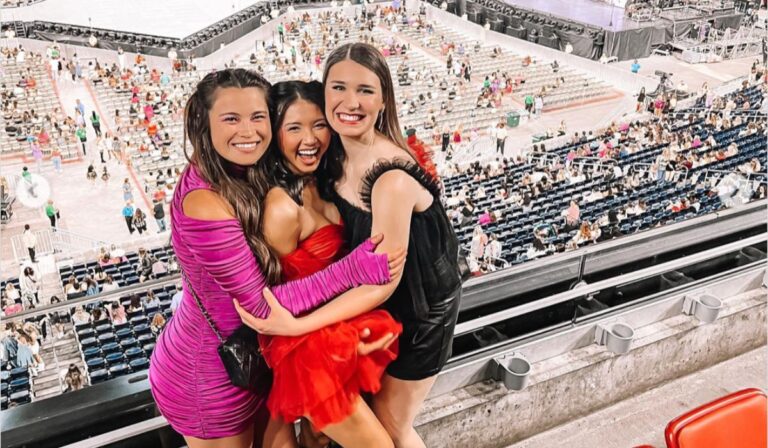

Screaming, Streaming and Spending: The Untold Economic Power of Fangirls

Fangirls are often dismissed as hysterical fans driven by their love for their favourite artists, but there’s more to this story than initially meets the eye.
Fangirls have long been underestimated, dismissed as overzealous or emotionally driven, but their impact on the music industry is far more profound – and more measurable – than many critics care to acknowledge. Beyond the streams, tweets, and fan edits, their spending power shapes markets, drives trends, and influences the careers of artists around the world. As the UK music industry hits a record £7.6 billion contribution to the national economy, it’s impossible to ignore that female fans are at the heart of much of this growth. Their enthusiasm is not just cultural. It is economic, tangible, and transformative.
From sold-out stadiums to exclusive vinyl releases and limited-edition merchandise, fangirls turn passion into purchasing power. Globally, women’s spending reaches an estimated $31.8 trillion, making their influence undeniable across industries and markets. In the context of music, this spending drives not only ticket sales and album purchases but also the very way artists are promoted, how tours are planned, and what trends dominate social media. It is a form of cultural capital that translates directly into financial weight, proving that fan engagement cannot be treated as a side note or niche phenomenon.
But the story doesn’t stop at numbers. Fangirls are also shaping the music landscape in ways that charts and statistics only partially capture. Their coordinated efforts on social media, viral challenges, and fan-led campaigns can turn obscure tracks into global hits, create social movements, and even dictate which artists achieve long-term success. The modern music industry, from physical media to live events, is increasingly structured around the tastes, passions, and spending habits of these communities.
It’s time we take a closer look at the economic power of fangirls, examining how their influence reverberates through local and global economies, transforms marketing strategies, and reshapes the music industry from the ground up. By tracking their impact on everything from ticket sales to merchandise, from streaming numbers to fan tourism, we can begin to understand not only the scale of their spending but the cultural force behind it – a force that the industry can no longer afford to overlook.
When fangirls express their opinions, share trends, and create viral moments, they are effectively participating in a global feedback system that shapes what becomes popular and what sells. This influence was clearly seen in the summer of 2024, famously dubbed “Brat Summer.” Content creator Kelley Heyer’s viral TikTok dance to Charli XCX’s Apple ignited a wave of user-generated content that dominated social media platforms. The resulting online enthusiasm translated into real economic outcomes, including increased streaming numbers, merchandise sales, and a surge in concert ticket purchases.
“Brat Summer” exemplified how online fan activity can become a full-fledged marketing force – one that the music industry neither controlled nor predicted. Their ability to mobilise quickly, generate viral content, and influence consumer behaviour illustrates a new kind of economic power – one rooted in digital connection and collective passion.
But recognising this influence means rethinking how the industry values fan engagement, something which many are still reluctant to put in place.
If we roll back the tape to discuss the economic impacts of fan culture, the influence of fangirls became even more obvious in the wake of Taylor Swift’s Eras Tour. The tour highlighted just how much female fans drive ticket demand and sales, as well as generate substantial revenue for the cities hosting the shows. In Los Angeles alone, the Eras Tour added an estimated $320 million to the local economy. Barclays reported that fans were expected to spend around £848 each, and at her Wembley shows in London, that translated to 640,000 attendees investing in tickets, merchandise, travel, and more. Every purchase, from concert tickets to hotel rooms, rippled outward, benefiting local businesses and creating a surge in economic activity that extended far beyond the arena itself.
Yet the impact of fangirls doesn’t stop at their local communities. Increasingly, fans are travelling across cities, regions, and even countries to see their favourite artists live. This trend of “fan tourism” turns concerts into major cultural and financial events, with hotels filling up, restaurants seeing record sales, and transport networks feeling the effect of sudden spikes in demand. It once again demonstrates that fangirls are not just consumers; they are movers of economies, generating revenue streams that are too significant to ignore.
Moreover, the spending power of fangirls is closely tied to the cultural momentum they create. Viral dances, social media trends, and fan-led campaigns often precede spikes in ticket sales or merchandise purchases, meaning their influence is both immediate and measurable.
And it’s this – fangirls’ social media hype – that has a real, measurable impact on the music charts. Online buzz, viral trends, and fan-led campaigns don’t just look impressive on a screen – they translate into chart positions and the amount of time artists spend at the top. This year, we’ve seen musicians holding their spots on the charts for weeks, thanks in large part to the coordinated enthusiasm of their fans.
This culture also extends beyond streaming numbers into the physical side of music. Vinyl, for example, has seen a surge in popularity every year, with purchases rising 11.7% in 2023 to 5.9 million units sold. Artists have tapped into this demand by offering vinyl packages and bundles, often designed with fans in mind, keeping physical media relevant even in a world dominated by digital streaming.
But it doesn’t end there. Merchandise has become another arena where fangirls flex their economic power.
From classic T-shirts to full-on themed collections, fans are buying anything that allows them to connect with their favourite artists. The influence extends even further: items associated with artists – like a feather boa inspired by Harry Styles – see spikes in sales as fans use them to celebrate their idols, complete concert outfits, or simply showcase their devotion
All too say, don’t underestimate fangirls and the economic power they have. Their influence stretches far beyond screaming in the front row or flooding social media with fan edits.
Fangirls consistently turn devotion into dollars, driving local and global economies alike. Their spending shapes the music industry, dictating which artists dominate the charts, which tours sell out, and even which trends go viral online. Beyond the numbers, their coordinated energy and cultural sway create moments that ripple through music, media, and commerce, proving that fangirls are not just fans – they are a driving force in the modern music landscape, and any industry that ignores them does so at its own peril.