
Why Fangirls Deserve More Respect in Pop Culture Conversations

If it wasn’t for fangirls, pop culture quite literally wouldn’t exist, and it’s about time the stigma surrounding them was debunked.
The definition of a fangirl is a (typically younger) female fan who is extremely passionate and highly enthusiastic about a particular subject. This subject is often a celebrity, a TV show, book series, band or character. Fangirls are often given a bad reputation and for why? It can be brought down to misogyny, ageism and cultural bias, as well as difference in opinions. There is a whole stigma around the word ‘fangirl’ and it’s a stigma that is no longer welcome in 2025, yet people still view it as a bad thing. It is about time that fangirls get the respect they deserve.
Pop culture is all around us every day – with films and TV that we watch, celebrity Instagrams that we view like hawks, memes that we cackle at and TikTok dances that we try to nail. In other words, pop culture is designed to be easily understood and to be mainstream so the majority of us feel the impulse to join in. Pop culture can sometimes influence identity, beliefs and societal values. It is a very influential topic in modern day society.
Fangirls and pop culture go hand in hand. You cannot separate them, they need each other and are deeply interconnected. They co-create; without fangirls, trends wouldn’t amplify the way they do and without pop culture, fangirls would have nothing to latch to. Together, they are super influential and because of this, fangirls deserve a lot more respect than they are given credit for. They really are the back-bone of pop culture. Let’s take a deeper dive into why fangirls deserve more respect in pop culture conversations.
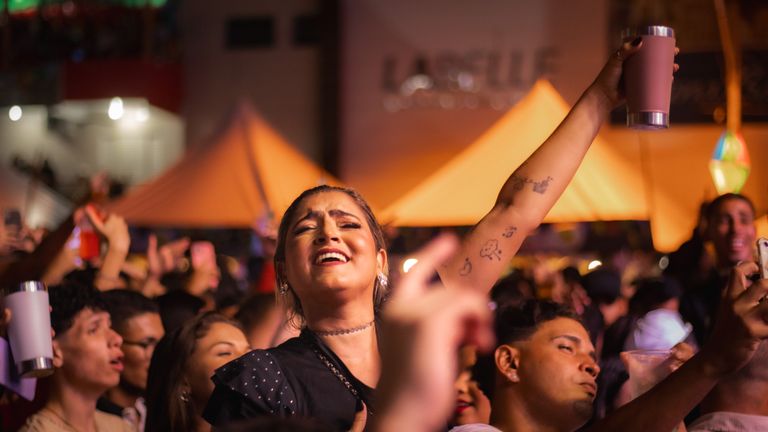
Many think that fans are passive consumers of popular media but usually, this is untrue. Fangirls don’t just watch films or listen to music – they analyse, reimagine and claim. The complete opposite of passive, they are typically the most chronically online people you’ll know. Because of this, fangirls are actually the drive of many cultural movements and trends. For example, think of Taylor Swift, her army of Swifties have launched her career from the beginning to the point where she’s just completed a two-year long tour that broke records worldwide. Not only that but Swifties built a community that everybody wanted to be a part of. The Eras Tour was the peak of this: handing out friendship bracelets to other fans, videos of security guards dancing along and fans complimenting each other. It made you feel a part of the Swiftie community, even when just watching videos online, and it was precious. The Eras Tour completely relaunched Taylor Swift’s career, gaining many new loyal fans along the way (including myself!), showcasing how fangirls are not just passive consumers but driving trends. This specific example presents how powerful fangirls are in pop culture.
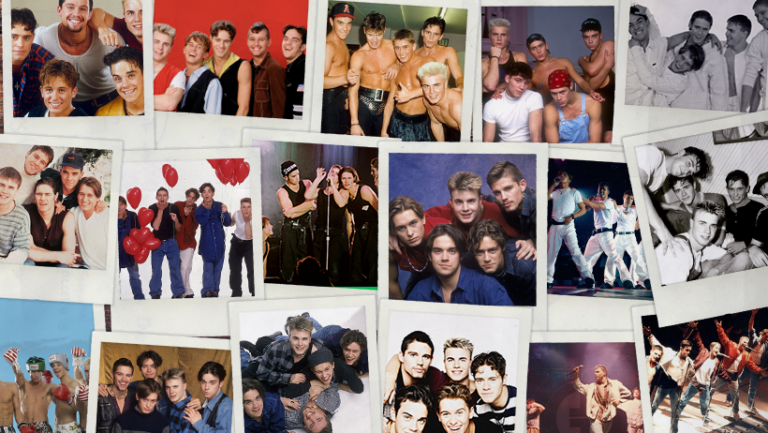
Another example of how fangirls have influenced pop culture is through bands, such as The Beatles and One Direction. Both bands’ impact on the world was massive, much greater than bands before and since, and it was all down to their loyal fanbases. Similar to Taylor Swift, the band’s fans helped to spread the word worldwide and they became global phenomenons.
An example to touch upon in regard to films could be Harry Potter. You literally still can’t go into any shop these days without seeing Harry Potter merchandise, whether that be sticker packs, keyrings, soft toys and even model wands. The early fans of the Harry Potter books were the main propellers in admiring the films, and in turn introducing more and more people to the magic. Shipping seems to be a big part of the Harry Potter fandom, although this is not the only fandom it happens in, and this is when fans support a romantic or platonic relationship between two characters, or two celebrities if it’s in real life. The Harry Potter fanfic community became one of the largest on the internet and enabled readers to explore different sides to the characters they love, it extended their world.
Fangirls’ impact has even extended to genres of music. Although pop music tends to be the most popular, there has been a huge increase in the popularity of K-Pop. The genre’s international success owes everything to its fangirls. The power of streaming is also partly to thank as the fangirls mastered the algorithm and ran streaming parties, boosting their favourite groups to the top of global charts. Many fans also translated K-Pop, this included subbing songs and interviews, and this aided the explosion of the genre in the West.
Touching on the above and how powerful fangirls are in pushing trends, media companies now heavily rely on fangirl loyalty for projects to take over. The majority of the time what fangirls support and obsess over, it becomes popular and therefore, mainstream. Then of course when something becomes mainstream, it often becomes profitable. So to put it shorter – fangirls are making media conglomerates a lot of money. Companies seem to have really overlooked this until recently and have now realised they can gain from fangirls’ devotion. The economic impact of fangirls is now huge and since companies have realised that, it really is time that cultural respect also equaled this.
As well as building their own communities, being a fangirl often gives young women a chance to express themselves and their personal creativity. We’ve all probably laughed at the mention of fan fiction in the past but why? The media, and people around us, have typically taught us that writing or reading fan fiction is something to be ashamed of when it absolutely shouldn’t be. Writing or reading fan fiction is encouraging young females to show off their writing skills and further their reading. This extends to things such as fan accounts, organising streaming parties, edits, fan art, podcasts, and theories. How many people do you know who now work in creative jobs that once had a One Direction or a Little Mix fan account? Fangirls are worthy of being taken seriously and they are exactly what the creative industry needs. If you care about pop culture then you need to realise that fangirls are its foundation and future. I genuinely think the next few years will have a surge of fangirls in the creative industry and it will be a breath of fresh air. Nobody knows the creative / music industry better than a fan who has also been on the other side, they offer an inside perspective.
Being a fangirl is now sometimes referred to as being a ‘stan’, this is something that fans have come up with to feel even more included in their fandoms. The term originally comes from an Eminem song about an obsessive fan, but is now used in a proud and confident way to define how devoted you are to a particular subject. ‘Stan’ is also an example of viral slang that fans themselves have spread around. Viral slang could be used as another example of fangirl impact. Many words that a lot of us seem to now use daily were first used in their specific context by fangirls online, including ‘slay’ and ‘delulu’.
As mentioned earlier, many fangirls are often dismissed for being young or obsessive. How have we still not moved past this in the 21st century? It is absolutely time that fangirls are taken seriously, professionally and personally. Having a passion gives a person a personality and something for them to connect and relate to. For football fans this is understood but for music / film / TV / book fans, it is not understood as clearly, especially when it’s young women. Take a moment to reminisce on how many times you’ve been taunted about liking a certain band or TV show. Would a man be teased when talking about how much he supports his favourite football club? Probably not. It is a complete double standard, full of hypocrisy, that needs to be dismantled immediately. Fangirls, like football fans, are just deeply invested in their passions, this is not a bad thing and it needs to stop being seen as one.
Being so passionate about certain subjects builds empathy and creates a belonging for people, bringing it right back to feeling like you are a part of a community. It is a special feeling and I have made many of my best friends through being a fan, it is one of the best parts of stanning something. I am very proud to be classed as a fangirl and I believe that we are extremely powerful as a community.
Being a fangirl is worthy of respect – full stop. From launching careers to expressing creativity and dominating charts, fangirls have proven time and time again how resourceful they are and have finally demanded the respect they deserve. They are trendsetters, creative forces, community builders, marketers, digital strategists and much more. Fangirls are the future of the music and creative industries. They have such a wide impact on the world and deserve to be appreciated a ton more.
If pop culture is classed as a business, fangirls are definitely the engine.